
Facial Aesthetic
Dr. Anirban Ghosh [15+ Yrs of Experience]
Plastic Surgeon in Kolkata
Home / Surgical / Facial Aesthetic
Facial Aesthetic Surgeon in Kolkata
What is Facial Aesthetic Surgery?
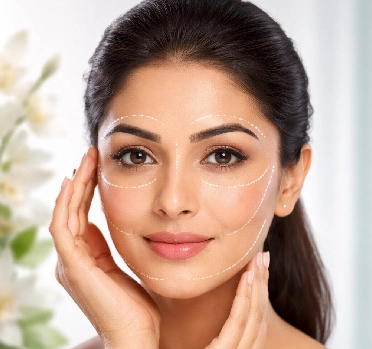
Facial aesthetic surgery is a specialised procedure aimed at enhancing or rejuvenating the appearance of the face. It includes surgeries like facelifts, eyelid surgery, and rhinoplasty, designed to address signs of ageing or improve facial features. The goal is to achieve a balanced, natural look that boosts confidence.
For personalised care and expert results, trust Dr Anirban Ghosh at Anirvana Clinic, where your beauty and confidence are our top priorities.
Types of Facial Aesthetic Surgery
Facelift
(Rhytidectomy)
- Duration: 2–4 hours
- Anaesthesia: General anaesthesia
- Recovery Time: 2–3 weeks for initial recovery, 6–12 months for full results
Eyelid Surgery (Blepharoplasty)
- Duration: 1–3 hours
- Anaesthesia: Local anaesthesia with sedation or general anaesthesia
- Recovery Time: 1–2 weeks for swelling and bruising to subside
Rhinoplasty
(Nose Job)
- Duration: 1.5–3 hours
- Anaesthesia: General anaesthesia
- Recovery Time: 1–2 weeks for initial recovery, 6–12 months for final results
Chin Augmentation (Genioplasty)
- Duration: 1–2 hours
- Anaesthesia: Local anaesthesia or general anaesthesia
- Recovery Time: 1–2 weeks for swelling, full recovery in 4–6 weeks
Facial
Liposuction
- Duration: 1–2 hours
- Anaesthesia: Local anaesthesia with sedation or general anaesthesia
- Recovery Time: 1–2 weeks for swelling and bruising, full recovery in 4–6 weeks
Step-by-Step Guide to Facial Aesthetic Surgery

Step-1
Consultation and Assessment
Discuss goals, expectations, and medical history with the surgeon.

Step-2
Planning the
Procedure
The surgeon outlines the best surgical approach and anaesthesia options.

Step-3
Preparation for
Surgery
Follow pre-surgery instructions like fasting and avoiding medications.

Step-4
Anaesthesia Administration
Anaesthesia is given to ensure comfort and pain relief during the procedure.

Step-5
Surgical Procedure
The surgeon performs the planned surgery with discreet incisions.

Step-6
Post-Surgery Care
The site is cleaned and dressed, and you may be monitored afterwards.
Benefits of Facial Aesthetic Surgery
Enhances facial features for a balanced and harmonious appearance
Reduces signs of ageing, such as sagging, wrinkles, and fine lines
Boosts confidence and self-esteem
Provides long-lasting results compared to non-surgical treatments
Allows for precise, targeted transformations of specific facial areas
Requires minimal maintenance after healing
Corrects facial imbalances or congenital defects for a more symmetrical look
Why Choose Anirvana Clinic?
About the Surgeon
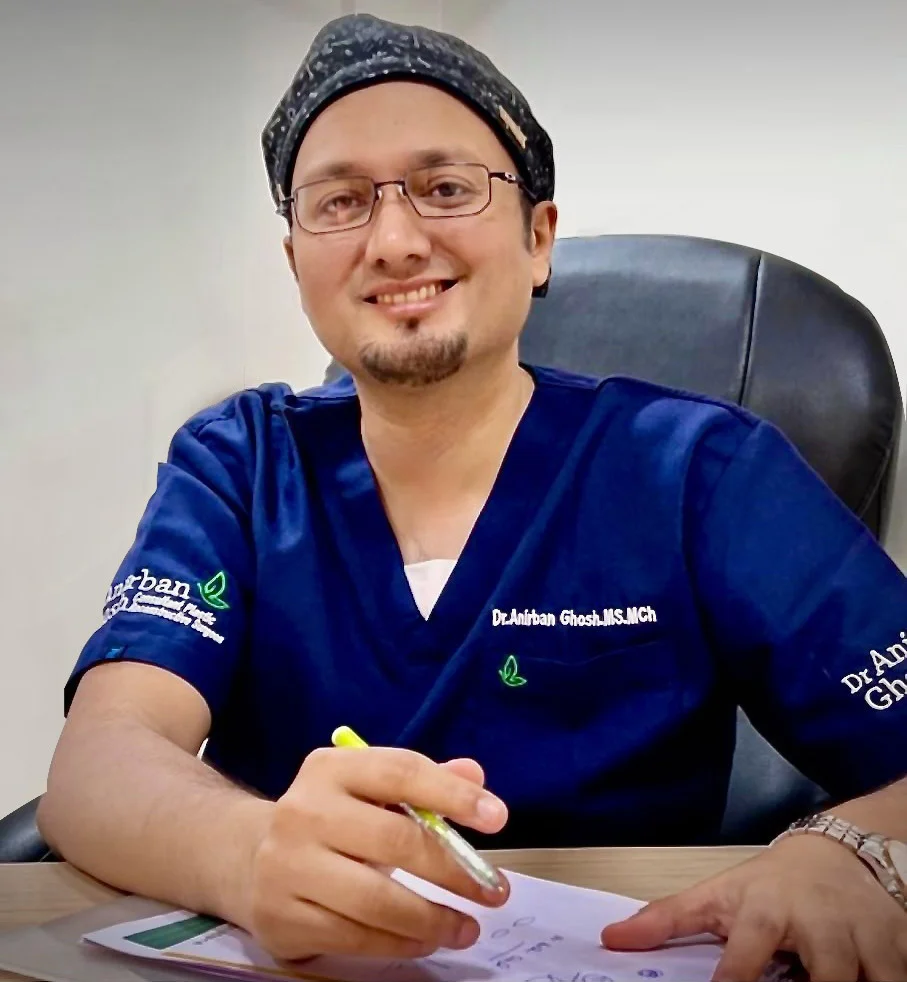
Dr. Anirban Ghosh
- MBBS (Gold Medallist)
- MS (General Surgery)
- MRCS (England)
- MCh (Aesthetic Plastic Surgery)
15+ Years of Experience
50000+ Successful Surgeries
Affiliations
- Indian Association of Aesthetic Plastic Surgeons (IAAPS)
- The Association of Plastic Surgeons of India (APSI)
Awards & Recognitions
- Honoured with the Indian Icon Best Healthcare Entrepreneur Award
- Esteemed Recipient of the Rabindra Ratna Puraskar 2025
Quick Guide to Different Types of Facial Aesthetic Surgery
| Procedure | Results | Ideal For |
|---|---|---|
| Facelift (Rhytidectomy) | Long-lasting, natural-looking results | Reducing sagging, wrinkles, and signs of ageing |
| Eyelid Surgery (Blepharoplasty) | Improved appearance of eyes, more youthful look | Droopy eyelids, puffiness, and wrinkles around the eyes |
| Rhinoplasty (Nose Job) | Refined nose shape, enhanced facial balance | Reshaping nose, correcting breathing issues |
| Chin Augmentation (Genioplasty) | Improved chin projection and facial harmony | Receding chin or facial imbalances |
| Facial Liposuction | Slimmer, contoured facial appearance | Excess fat in the face (cheeks, chin, jawline) |
Recovery Timeline After Facial Aesthetic Surgery
First 24-48 hours
- Swelling and bruising are common.
- Pain and discomfort may be managed with prescribed medications.
- Rest and limited movement are recommended.
1 Week
- Initial swelling and bruising begin to subside.
- Stitches (if any) are usually removed or begin to dissolve.
- Most people feel comfortable enough to resume light daily activities.
2-3 Weeks
- Swelling continues to decrease, though some residual swelling may remain.
- You can return to work, but strenuous activities should still be avoided.
- Makeup can typically be applied to cover any residual bruising.
4-6 Weeks
- Most of the swelling and bruising should be gone.
- You can gradually return to normal activities, including light exercise.
- Final results may begin to show, but minor swelling may persist in some areas.
3-6 Months
- Full recovery is typically achieved, and the final results of the surgery are visible.
- You can return to all normal activities, including intense physical exercise.
- Any remaining subtle swelling or changes should settle during this period.
Up to 12 Months
- In some cases, final results and full healing may take up to a year, especially for surgeries involving deeper tissues or implants.
When is Facial Aesthetic Surgery Needed?
Reduces signs of ageing, such as wrinkles and sagging skin.
Corrects facial imbalances, like rhinoplasty or chin augmentation.
Restores volume lost in the face due to ageing or weight loss.
Tightens and firms skin that has lost elasticity, such as with brow or neck lifts.
Addresses congenital defects, like cleft lips or facial asymmetry.
Improves the appearance of scars or facial injuries.
Risks & Safety Measures After Facial Aesthetic Surgery
Possible Risks
Infection at the incision sites
Visible or raised scars that may require additional treatment
Persistent swelling or bruising
Temporary or permanent numbness or tingling
Risk of blood clots, especially with general anaesthesia
Slow or poor healing of the incisions
Results may not meet expectations, requiring revision surgery
Minor unevenness in the final results
Adverse reactions to anaesthesia
Accumulation of blood under the skin that may require drainage
Safety Measures to Follow
Take prescribed medications as directed to manage pain and prevent infection.
Keep the surgical site clean and dry to reduce the risk of infection.
Avoid touching or rubbing the treated areas to prevent irritation or complications.
Apply cold compresses as recommended to reduce swelling and bruising.
Sleep with your head elevated to minimise swelling.
Refrain from strenuous activities and heavy lifting for the recommended period.
Avoid direct sun exposure to protect healing skin and minimise scarring.
Attend all follow-up appointments to monitor progress and detect any issues early.
Stay hydrated and maintain a healthy diet to support the healing process.


Frequently Asked Questions (FAQs)
1. What is the ideal age to have facial aesthetic surgery?
Most people opt for facial aesthetic surgery in their 40s to 60s when signs of ageing are more prominent. However, younger individuals may seek procedures like rhinoplasty or chin augmentation for structural enhancements.
2. Can facial aesthetic surgery help breathing issues (like in rhinoplasty)?
Yes, rhinoplasty can improve both the appearance and functionality of the nose, addressing breathing difficulties caused by structural issues like a deviated septum.
3. How long do the results of facelift/rhinoplasty/blepharoplasty typically last?
Facelift results can last 10–15 years, rhinoplasty offers long-lasting results, and blepharoplasty typically lasts 5–7 years, but natural ageing may gradually affect them.
4. Can facial aesthetic surgery improve both appearance and function?
Yes, surgeries like rhinoplasty can enhance facial appearance while improving functions like breathing, and eyelid surgery can address both aesthetics and vision impairment caused by drooping eyelids.
5. Can you combine different facial aesthetic procedures?
Yes, many patients combine procedures like facelifts with eyelid surgery or rhinoplasty to achieve a more comprehensive rejuvenation in a single surgery.