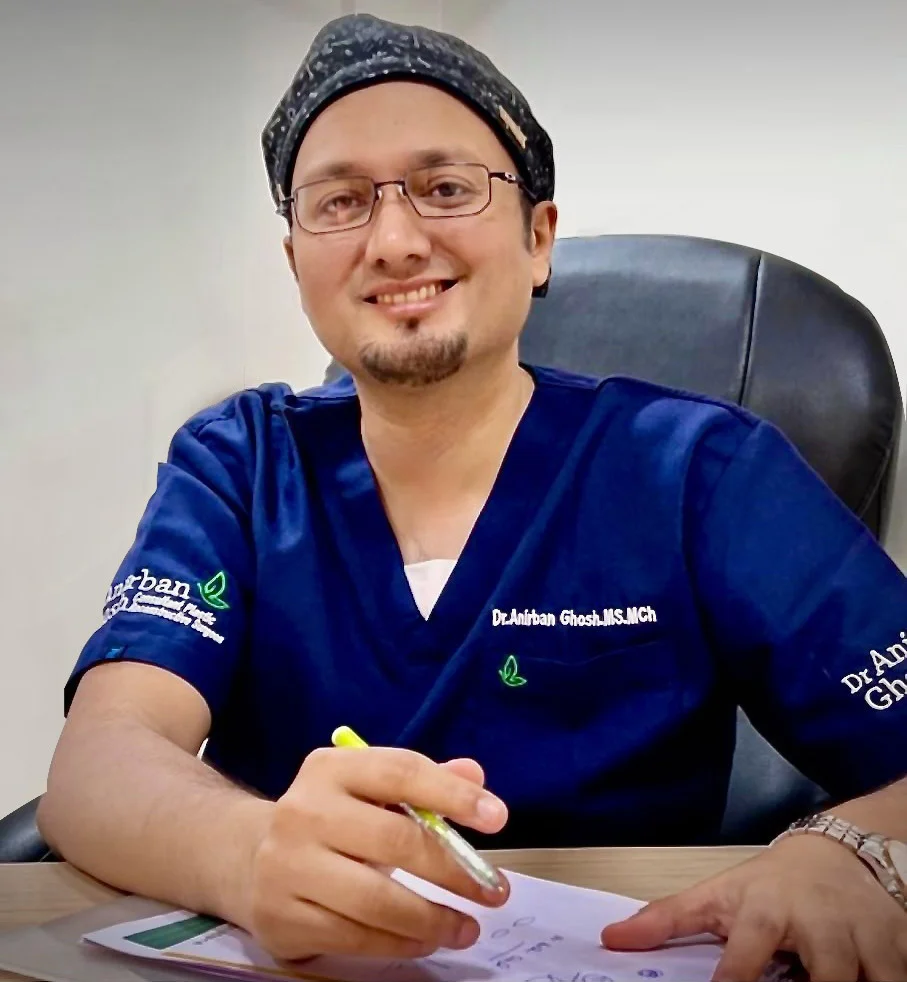
Female to Male Surgeon in Kolkata
Dr. Anirban Ghosh [15+ Yrs of Experience]
Plastic Surgeon in Kolkata
Home / Surgical / Gender Reassignment(F-M)
What is Gender Reassignment (Female to Male) Surgery?
Gender Reassignment (Female to Male) Surgery, also known as Female-to-Male (FTM) surgery, involves a series of procedures to help individuals transition from female to male. This can include chest reconstruction, genital reconstruction, and other surgeries to align physical characteristics with gender identity.
Ready for your Gender Reassignment Surgery? Book a consultation with Dr Anirban Ghosh at Anirvana Clinic today.
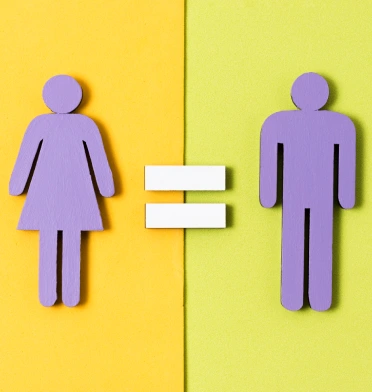
Types of Gender Reassignment (Female to Male) Surgery
Chest Reconstruction (Top Surgery)
- Duration: 4-6 hours
- Anaesthesia: General anaesthesia
- Recovery Time: 4-6 weeks for full recovery, with initial healing in 1-2 weeks.
Phalloplasty (Construction of a Neophallus)
- Duration: 6-10 hours
- Anaesthesia: General anaesthesia
- Recovery Time: 6-12 months for full recovery, with initial healing in 6-8 weeks.
Metoidioplasty (Alternative to Phalloplasty)
- Duration: 3-5 hours
- Anaesthesia: General anaesthesia
- Recovery Time: 6-12 weeks for full recovery, with initial healing in 4-6 weeks.
Scrotoplasty (Creation of a Scrotum)
- Duration: 2-3 hours
- Anaesthesia: General anaesthesia
- Recovery Time: 4-6 weeks for full recovery.
Hysterectomy (Removal of Uterus)
- Duration: 1-2 hours
- Anaesthesia: General or regional anaesthesia
- Recovery Time: 4-6 weeks for full recovery.
Oophorectomy (Removal of Ovaries)
- Duration: 1-2 hours
- Anaesthesia: General anaesthesia
- Recovery Time: 2-4 weeks for full recovery.
Step-by-Step Guide to Gender Reassignment (Female to Male) Surgery

Step-1
Consultation and Assessment
A thorough consultation with your surgeon to assess health, goals, and create a personalised surgical plan.

Step-2
Pre-Surgery
Preparation
Preparing your body for surgery through medical tests, stopping certain medications, and discussing anaesthesia.

Step-3
Chest Reconstruction (Top Surgery)
This procedure involves the removal of breast tissue and chest contouring to create a masculine chest shape.

Step-4
Genital Reconstruction (Phalloplasty or Metoidioplasty)
Creation of a neophallus using tissue from other body areas (phalloplasty) or using the enlarged clitoris (metoidioplasty).

Step-5
Scrotoplasty (Creation of Scrotum)
This procedure involves the construction of a scrotum, often using tissue from the labia for a natural appearance.

Step-6
Hysterectomy (Removal of Uterus)
Surgical removal of the uterus and cervix is typically performed in conjunction with other procedures.

Step-7
Oophorectomy (Removal of Ovaries)
Removal of the ovaries to stop menstrual cycles and align physical traits with gender identity.

Step-8
Post-Surgery Care and Recovery
Rest, pain management, and wound care during the initial healing period, followed by follow-up check-ups.

Step-9
Long-Term Care and Follow-Up
Regular check-ins with your healthcare team to ensure successful healing and long-term health.
Benefits of Gender Reassignment (Female to Male) Surgery
Aligns physical appearance with gender identity, reducing gender dysphoria.
Improves mental and emotional well-being by fostering a sense of authenticity.
Enhances social interactions and confidence by eliminating physical discomfort.
Increases the ability to fully participate in gendered activities and experiences.
Promotes long-term satisfaction with physical appearance and self-identity.
Offers relief from the psychological strain of living in a body that doesn't match one's gender identity.
Provides opportunities for a more positive and fulfilling sexual experience for some individuals.
Why Choose Dr Anirban Ghosh?
About the Surgeon
Dr. Anirban Ghosh
- MBBS (Gold Medallist)
- MS (General Surgery)
- MRCS (England)
- MCh (Aesthetic Plastic Surgery)
15+ Years of Experience
in aesthetic & reconstructive plastic surgery
50000+ Patients
Affiliations
- Indian Association of Aesthetic Plastic Surgeons (IAAPS)
- The Association of Plastic Surgeons of India (APSI)
Awards & Recognitions
- Honoured with the Indian Icon Best Healthcare Entrepreneur Award
- Esteemed Recipient of the Rabindra Ratna Puraskar 2025
Recovery Timeline After Gender Reassignment (Female to Male) Surgery
0-2 weeks
- Rest and take prescribed pain medications.
- Follow-up appointments to monitor healing and remove any drains.
- Avoid strenuous activities and keep surgical sites clean.
2-3 weeks
- Gradually return to light daily activities, but avoid heavy lifting.
- Swelling and bruising should start to decrease.
- Continue wearing compression garments to support healing.
3-6 weeks
- Most incisions will begin to heal, though some tenderness may persist.
- You can start gentle movement and light exercises as per the surgeon’s advice.
- Continue with follow-up care and any additional treatments if needed.
6-12 weeks
- Full recovery of most incisions, though there may still be mild swelling or discomfort.
- Gradually return to normal activities while avoiding strenuous exercises.
- Regular check-ins with your surgeon to monitor healing.
3-6 months
- Most of the healing is complete, and normal activities can resume.
- Psychological and emotional adjustments may still be ongoing.
- Monitoring for complications continues through regular follow-ups.
6-12 months
- Final results start to appear as swelling decreases and scars fade.
- Continue follow-up care and any necessary treatments to support long-term health.
- Emotional recovery continues, with support available if needed.
When is Gender Reassignment (Female to Male) Surgery Needed?
When gender dysphoria affects daily life and mental health.
If Hormone Replacement Therapy (HRT) alone doesn’t provide enough physical changes.
To align physical appearance with gender identity for improved confidence.
When temporary gender-affirming methods are insufficient.
If psychologically and physically ready for the recovery process.
Risks & Safety Measures After Gender Reassignment (Female to Male) Surgery
Possible Risks
Infection at surgical sites.
Excessive bleeding or hematoma.
Blood clots or deep vein thrombosis (DVT).
Scarring, numbness, or altered sensation.
Risk of surgical complications like anaesthesia reactions.
Urinary issues (post-genital reconstruction surgery).
Safety Measures to Follow
Follow the prescribed aftercare for wound care and infection prevention.
Avoid strenuous activities for the recommended recovery period.
Wear compression garments as directed for support and to reduce swelling.
Attend follow-up appointments for monitoring and early detection of complications.
Take prescribed pain management and antibiotics as directed.
Frequently Asked Questions (FAQs)
1. What is the difference between top surgery and bottom surgery?
Top surgery refers to the removal of breast tissue and chest reconstruction to create a more masculine chest. Bottom surgery involves genital reconstruction, which may include phalloplasty or metoidioplasty to create a penis.
2. Will you still be able to urinate and have sexual function after gender reassignment (female to male) surgery?
Yes, after phalloplasty or metoidioplasty, most individuals are able to urinate through the new genital structure. Sexual function, including the ability to experience orgasm, is possible, but outcomes vary.
3. Can you have sex and orgasm after gender reassignment (female to male) surgery?
After surgery, many individuals regain sexual function and experience orgasms, although sensations may differ depending on the type of surgery. Full sexual recovery takes time and may require adjustments.
4. Is testosterone therapy required before gender reassignment (female to male) surgery, or can it be optional?
Testosterone therapy is typically recommended before surgery to induce masculinising physical changes like facial hair and voice deepening. It’s not mandatory, but most surgeons require it for at least 12 months for optimal results.
5. Is there a minimum age or eligibility requirement for FTM surgery?
The minimum age for FTM surgery is usually 18, but some surgeons may perform the procedure on younger individuals with parental consent and documented gender dysphoria treatment. Eligibility depends on mental health readiness and consistent gender identity.