
Male Genital
Dr. Anirban Ghosh [15+ Yrs of Experience]
Plastic Surgeon in Kolkata
Home / Surgical / Male Genital
Male Genital Surgeon in Kolkata
What is Male Genital Surgery?
Male genital surgery refers to medical or surgical procedures performed on the male reproductive organs to treat health conditions or improve function and appearance. It is commonly done for issues like tight foreskin, infections, structural concerns, or cosmetic needs. These procedures are typically safe, minimally invasive, and aimed at improving comfort, hygiene, and overall quality of life.
Every case is different, and so is the solution. Get evaluated by Dr Anirban Ghosh at Anirvana Clinic.
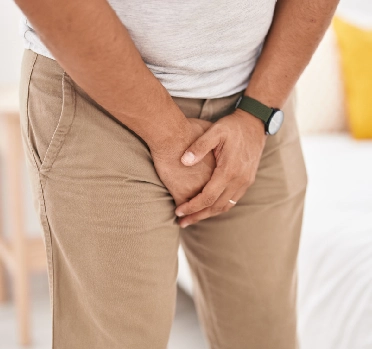
Types of Male Genital Surgery
Circumcision
Duration: 20-30 minutes
Anaesthesia: Local/Regional
Recovery Time: 7–10 days (full healing 2–3 weeks)
Anaesthesia: Local/Regional
Recovery Time: 7–10 days (full healing 2–3 weeks)
Frenuloplasty
Duration: 15-20 minutes
Anaesthesia: Local
Recovery Time: 5–7 days (full healing ~2 weeks)
Anaesthesia: Local
Recovery Time: 5–7 days (full healing ~2 weeks)
Dorsal Slit Surgery
Duration: 20-30 minutes
Anaesthesia: Local/Regional
Recovery Time: 7–10 days
Anaesthesia: Local/Regional
Recovery Time: 7–10 days
Hydrocele Surgery
Duration: 30-45 minutes
Anaesthesia: Regional/General
Recovery Time: 1–2 weeks (full recovery 3–4 weeks)
Anaesthesia: Regional/General
Recovery Time: 1–2 weeks (full recovery 3–4 weeks)
Varicocele Surgery
Duration: 45-60 minutes
Anaesthesia: Regional/General
Recovery Time: 1–2 weeks (avoid heavy activity for 3–4 weeks)
Anaesthesia: Regional/General
Recovery Time: 1–2 weeks (avoid heavy activity for 3–4 weeks)
Penile Implant Surgery
Duration: 1-2 hours
Anaesthesia: General/Spinal
Recovery Time: 2–3 weeks (full recovery 4–6 weeks)
Anaesthesia: General/Spinal
Recovery Time: 2–3 weeks (full recovery 4–6 weeks)
Penile Enlargement Procedures
Duration: 45-90 minutes
Anaesthesia: Local/General (depends on the method)
Recovery Time: 1-2 weeks (varies by technique)
Anaesthesia: Local/General (depends on the method)
Recovery Time: 1-2 weeks (varies by technique)
Correction of Congenital Conditions
Duration: 45–90 minutes (varies by condition)
Anaesthesia: Local / Spinal / General (based on complexity)
Recovery Time: 1–2 weeks (full recovery may take 3–4 weeks, depending on the procedure)
Anaesthesia: Local / Spinal / General (based on complexity)
Recovery Time: 1–2 weeks (full recovery may take 3–4 weeks, depending on the procedure)
Step-by-Step Guide to Male Genital Surgery

Step-1
Consultation and Evaluation
Your condition is assessed, and the most suitable surgical plan is clearly explained to you.

Step-2
Pre-Surgery
Preparation
Basic tests, medication review, and fasting instructions are given before the procedure.

Step-3
Anaesthesia Administration
Anaesthesia is given to ensure a completely pain-free and comfortable surgical experience.

Step-4
Surgical
Procedure
The planned procedure is carefully performed using precise and safe surgical techniques.

Step-5
Wound Closure & Dressing
The treated area is closed or dressed properly to support healing and prevent infection.

Step-6
Post-Surgery
Recovery
You are monitored briefly and discharged with clear instructions for smooth recovery.
Benefits of Male Genital Surgery
Relieves pain, discomfort, and tightness during daily activities
Improves hygiene and reduces the risk of infections
Enhances sexual comfort and overall function
Corrects structural or congenital issues effectively
Provides a long-term or permanent solution for recurring problems
Boosts confidence and reduces anxiety related to the condition
Offers safe and minimally invasive treatment options
Enables faster recovery with modern surgical techniques
Improves overall quality of life and daily comfort
Why Choose Anirvana Clinic?
About the Surgeon
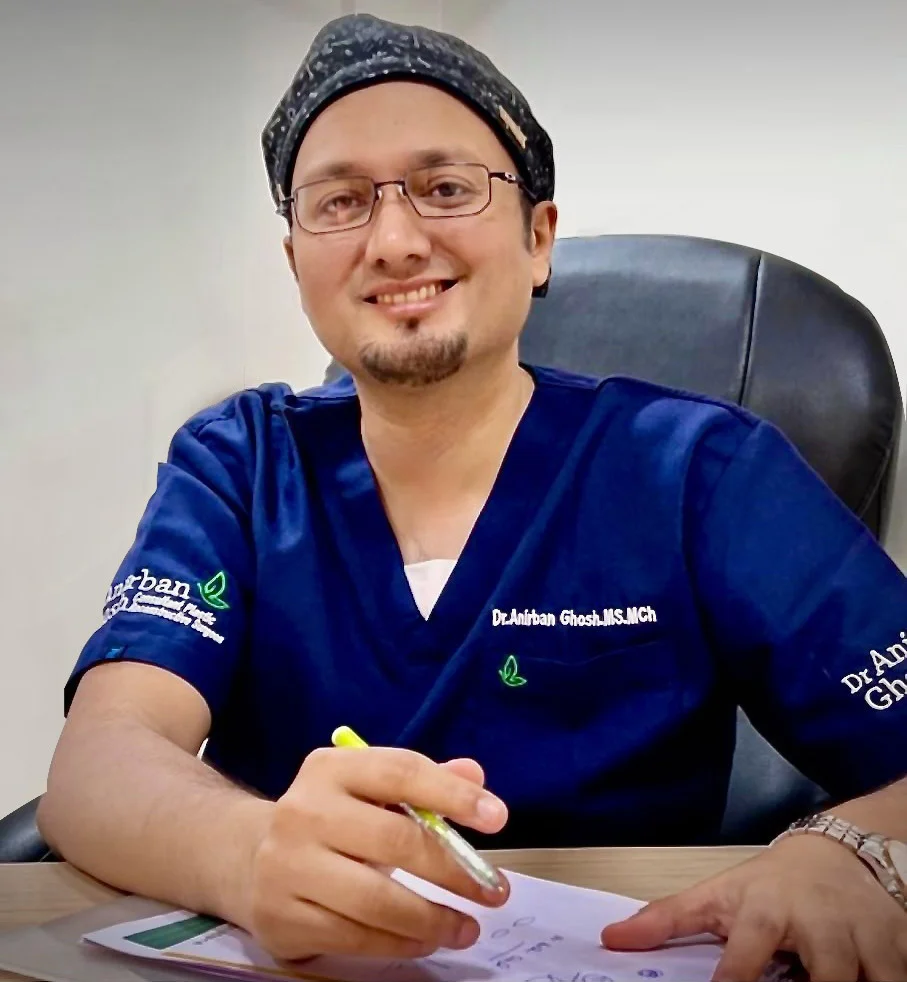
Dr. Anirban Ghosh
- MBBS (Gold Medallist)
- MS (General Surgery)
- MRCS (England)
- MCh (Aesthetic Plastic Surgery)
15+ Years of Experience
50000+ Successful Surgeries
Affiliations
- Indian Association of Aesthetic Plastic Surgeons (IAAPS)
- The Association of Plastic Surgeons of India (APSI)
Awards & Recognitions
- Honoured with the Indian Icon Best Healthcare Entrepreneur Award
- Esteemed Recipient of the Rabindra Ratna Puraskar 2025
Common Male Genital Issues – Quick Overview
| Condition | Common Symptoms | Severity Level | When to See a Doctor |
|---|---|---|---|
| Phimosis | Tight foreskin, pain during retraction | Mild to Moderate | If maintaining hygiene or pain becomes difficult |
| Paraphimosis | Swelling, trapped foreskin | Emergency | Immediate medical attention needed |
| Balanitis | Redness, itching, discharge | Mild to Moderate | If symptoms persist >3 days |
| Hydrocele | Swelling in the scrotum | Usually Mild | If size increases or discomfort occurs |
| Varicocele | Dull pain, visible veins | Moderate | If fertility or pain issues arise |
| Erectile Dysfunction | Difficulty maintaining an erection | Moderate | If symptoms are persistent for weeks |
Recovery Timeline After Male Genital Surgery
Immediate Post-Surgery
(Day 1–2)
- Mild swelling, redness, and discomfort are normal
- Pain is manageable with prescribed medications
- Rest is advised with minimal movement
Early Healing Phase
(Day 3–7)
- Swelling and discomfort gradually start to reduce
- Light daily activities can be resumed cautiously
- Proper hygiene and dressing care are important
Intermediate Recovery
(Week 2–3)
- Most external healing is visible by this stage
- Stitches (if any) begin to dissolve or are removed
- Physical activity should still be limited
Advanced Healing Phase
(Week 4–6)
- Discomfort is minimal, and routine activities resume
- Sexual activity may be allowed based on recovery
- Final healing continues internally without major symptoms
When is Male Genital Surgery Needed?
Persistent pain, tightness, or discomfort in the genital area
Tight foreskin (phimosis) causing difficulty in retraction or hygiene
Recurrent infections like balanitis or urinary issues
Pain during erection or sexual activity
Swelling in the scrotum (hydrocele or varicocele)
Fertility concerns linked to testicular or vascular issues
Structural or congenital conditions (e.g., curvature, hypospadias)
Injury, trauma, or complications affecting function
No improvement with medications or non-surgical treatments
Risks & Safety Measures After Male Genital Surgery
Possible Risks
Mild pain, swelling, or bruising in the treated area
Risk of infection if hygiene is not maintained
Bleeding or discharge from the surgical site
Temporary discomfort during urination or movement
Delayed wound healing in some cases
Scarring or sensitivity changes (usually temporary)
Rare complications like a reaction to anaesthesia
Safety Measures to Follow
Keep the area clean and dry as advised by your doctor
Take prescribed medications and antibiotics on time
Avoid strenuous activity, heavy lifting, or exercise initially
Wear loose, comfortable clothing to reduce friction
Follow proper wound care and dressing instructions
Avoid sexual activity until fully healed
Stay hydrated and maintain a healthy diet for faster recovery
Attend follow-up visits to monitor healing progress
Frequently Asked Questions (FAQs)
1. Why is there pain in your penis or testicles?
Pain in the penis or testicles can happen due to infections, injury, a tight foreskin, or conditions like hydrocele and varicocele. If the pain is sudden, severe, or persistent, it could be serious and should be checked by a doctor immediately.
2. When can you resume sexual activity after male genital surgery?
Most patients can resume sexual activity after 3–6 weeks of male genital surgery, depending on healing and the doctor’s advice.
3. Are the results of male genital surgery permanent?
Most male genital procedures offer long-term or permanent results, especially when done for medical conditions.
4. Why is your foreskin tight or difficult to retract?
A tight or difficult-to-retract foreskin is usually due to phimosis, which can be caused by natural tightness, poor hygiene, or repeated infections. If it leads to pain, swelling, or difficulty in urination, it’s best to consult a doctor for proper treatment.
5. Do male genital problems affect sperm quality?
Yes, some male genital problems like varicocele, infections, or hormonal issues can affect sperm count, quality, and movement. Early diagnosis and treatment can often improve fertility and prevent long-term complications.