
Implant Surgeon
Dr. Anirban Ghosh [15+ Yrs of Experience]
Plastic Surgeon in Kolkata
Home / Surgical / Implant Surgeon
Implant Surgeon in Kolkata
What is Implant Surgery?
Implant surgery involves the placement of artificial devices, such as breast implants or buttock implants, to enhance appearance or restore function. It helps improve physical aesthetics, boost confidence, and address issues like loss of breast volume after surgery or ageing.
Discover the possibilities with Dr Anirban Ghosh at Anirvana Clinic – reach out today to start your transformation.
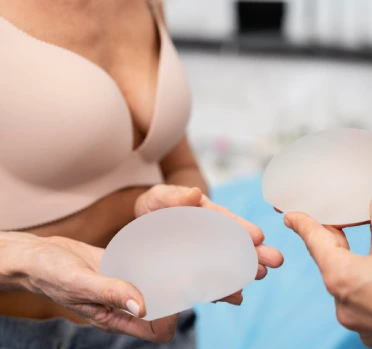
Types of Implant Surgery
Breast Implant Surgery (Mammoplasty)
Duration: 1.5 to 2 hours
Anaesthesia: General anaesthesia
Recovery Time: 1-2 weeks for initial recovery; full recovery may take 4-6 weeks
Anaesthesia: General anaesthesia
Recovery Time: 1-2 weeks for initial recovery; full recovery may take 4-6 weeks
Buttock Implant Surgery (Brazilian Butt Lift or Gluteal Implants)
Duration: 2 to 3 hours
Anaesthesia: General anaesthesia
Recovery Time: 2-4 weeks for initial recovery; full recovery can take 6-8 weeks
Anaesthesia: General anaesthesia
Recovery Time: 2-4 weeks for initial recovery; full recovery can take 6-8 weeks
Chin Implant Surgery
Duration: 1 to 2 hours
Anaesthesia: Local anaesthesia with sedation or general anaesthesia
Recovery Time: 1-2 weeks for initial swelling and bruising to subside; full recovery in 1-2 months
Anaesthesia: Local anaesthesia with sedation or general anaesthesia
Recovery Time: 1-2 weeks for initial swelling and bruising to subside; full recovery in 1-2 months
Pectoral Implant Surgery (Chest Implants for Men)
Duration: 1 to 2 hours
Anaesthesia: General anaesthesia
Recovery Time: 1-2 weeks for initial recovery; full recovery in about 4-6 weeks
Anaesthesia: General anaesthesia
Recovery Time: 1-2 weeks for initial recovery; full recovery in about 4-6 weeks
Step-by-Step Guide to Implant Surgery

Step-1
Initial
Consultation
Your journey begins with a thorough consultation with the surgeon to assess your goals, expectations, and medical history.

Step-2
Pre-Surgery
Evaluation
The surgeon will perform necessary tests to ensure you are fit for surgery and discuss the anaesthesia options.

Step-3
Anaesthesia Administration
General or local anaesthesia is administered to ensure you are comfortable and pain-free throughout the procedure.

Step-4
Incision
Creation
The surgeon makes a small incision in the designated area (breast, chin, etc.) to place the implant.

Step-5
Implant Placement
The implant is carefully inserted under the skin or muscle, depending on the type of surgery being performed.

Step-6
Incision Closure
Once the implant is in place, the incision is sutured, and any excess fluid is drained if necessary.

Step-7
Recovery & Monitoring
You will be monitored closely during the initial recovery phase to ensure your vital signs remain stable.

Step-6
Post-Surgery Instructions
The surgeon will provide guidelines for at-home care, including how to manage pain and signs of complications.
Benefits of Implant Surgery
Enhanced Aesthetic Appearance
Increased Confidence
Long-Lasting Results
Restoration of Functionality
Natural Feel
Minimal Scarring
Customisable Options
Quick Recovery
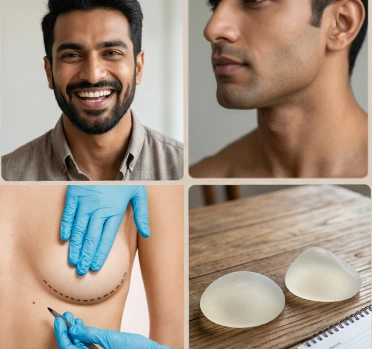
Why Choose Anirvana Clinic?
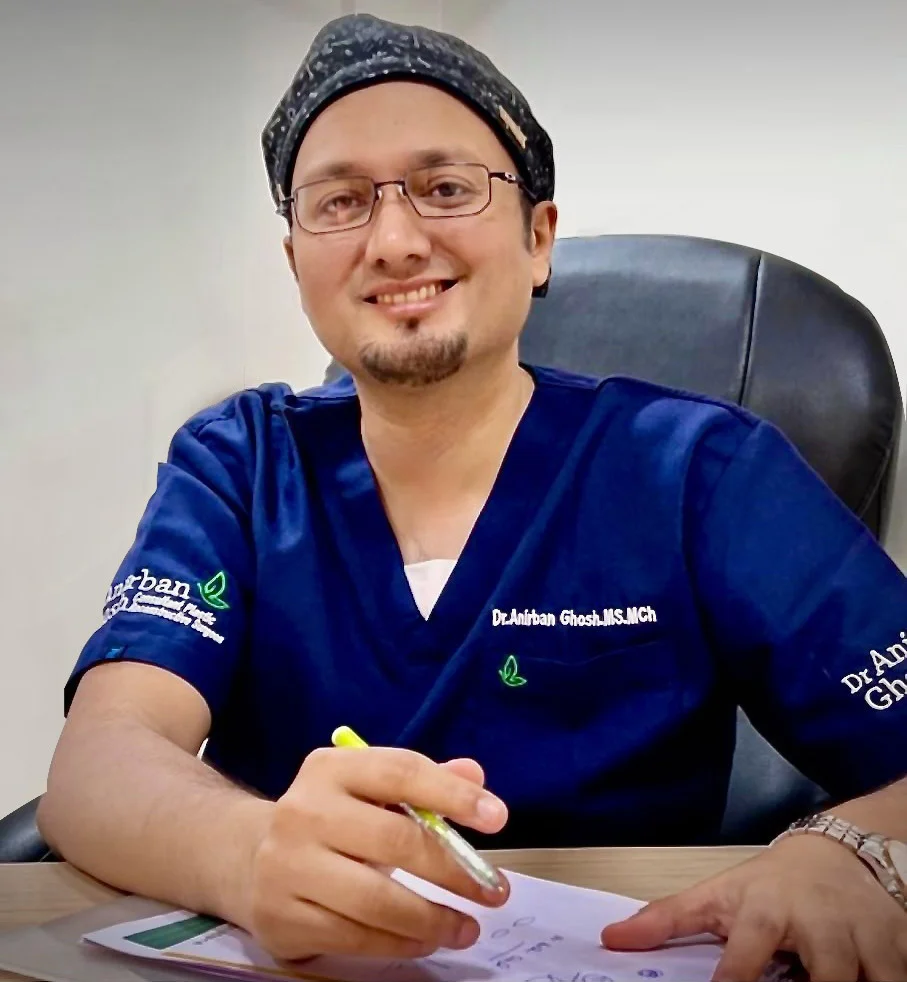
About the Surgeon
Dr. Anirban Ghosh
- MBBS (Gold Medallist)
- MS (General Surgery)
- MRCS (England)
- MCh (Aesthetic Plastic Surgery)
15+ Years of Experience
50000+ Successful Surgeries
Affiliations
- Indian Association of Aesthetic Plastic Surgeons (IAAPS)
- The Association of Plastic Surgeons of India (APSI)
Awards & Recognitions
- Honoured with the Indian Icon Best Healthcare Entrepreneur Award
- Esteemed Recipient of the Rabindra Ratna Puraskar 2025
Implant Surgery Comparison: Breast, Buttock, Chin, and Pectoral Chest Implants
| Aspect | Breast Implants | Buttock Implants | Chin Implants | Pectoral Chest Implants | |
|---|---|---|---|---|---|
| Purpose | To enhance breast size and shape | To enhance the shape and size of the buttocks | To enhance the chin for a balanced facial profile | To enhance the chest for a muscular, defined look | |
| Implant Material | Silicone or saline | Silicone or solid silicone elastomer | Solid silicone | Silicone or solid silicone elastomer | |
| Incision Location | Under the breast, around the areola, or in the armpit | Above or below the buttock crease | Under the chin or inside the mouth | Under the chest or around the armpit | |
| Incision Size | Small, discreet | Larger, depending on implant size | Small, discreet | Small, discreet | |
| Scarring | Minimal, hidden in natural folds | Larger scar, but hidden in the buttock crease | Minimal, hidden under the chin or inside the mouth | Small, well-hidden under the chest or armpit | |
| Risks | Infection, capsular contracture, and implant rupture | Infection, implant shifting, asymmetry | Infection, nerve damage, asymmetry | Infection, implant shifting, asymmetry | |
| Ideal For | Women looking to enhance breast volume or restore shape post-pregnancy or weight loss | Individuals looking to enhance buttock shape and size | People with a recessed or weak chin | Men or women looking to enhance chest muscle definition | |
| Maintenance | Rarely requires maintenance, but monitoring for complications is advised | Periodic monitoring and occasional adjustments may be needed | Generally requires little to no maintenance | Periodic monitoring for implant shifting or dislocation | |
| Expected Results | Fuller, more youthful breasts | Natural-looking and enhanced buttocks | A more defined and harmonious facial profile | A more muscular and sculpted chest |
Recovery Timeline After Implant Surgery
First 24-48 Hours
- Rest and minimal movement to ensure initial healing.
- Swelling and bruising are common.
- Pain management through prescribed medications.
- Compression garments (for breast, buttock, or pectoral implants) may be worn to reduce swelling
Week 1
- Follow-up appointment with the surgeon to monitor progress.
- Swelling and bruising will be prominent but should begin to subside.
- Avoid strenuous activities, lifting, and putting pressure on the implants (for the buttocks, avoid sitting directly on them).
- Soft diet if needed (for chin implants, if surgery is performed inside the mouth).
Week 2-4
- Swelling continues to decrease.
- Bruising should subside significantly.
- Most people can return to light daily activities but should avoid heavy lifting or intense exercise.
- For chin implants, the recovery process should be relatively quick, with the area feeling more comfortable.
1-2 Months
- Swelling and discomfort will largely resolve.
- Most of the initial discomfort will have diminished.
- You can return to light exercise but should avoid heavy workouts, especially those targeting the area of the implant.
- For breast implants, the final shape starts to show.
3-6 Months
- Full recovery for most implants; final results become clearer.
- You can resume all normal activities, including moderate to heavy exercise.
- For buttock implants, be cautious about sitting for extended periods for up to 3 months.
- For pectoral chest implants, the chest area will feel fully settled.
6 Months and Beyond
- Final results of the implants are fully visible.
- Scarring will fade, but the implants are securely in place and settled.
- Any residual discomfort should have resolved completely.
When is Implant Surgery Needed?
For improving the shape or size of body parts (e.g., breasts, chin, buttocks).
After trauma or accidents to restore lost tissue or functionality.
To restore volume or shape lost due to ageing.
To correct congenital deformities or conditions.
To restore pre-pregnancy appearance, such as in breast or body contouring.
To boost confidence and improve mental health.
To address uneven features or proportions.

Risks & Safety Measures After Implant Surgery
Possible Risks
Infection at the incision site or around the implant.
Visible or raised scars that may require additional treatment.
Rupture or deflation of the implant, requiring replacement.
Formation of scar tissue around the implant, causing discomfort or distortion.
Uneven results, with one side looking different from the other.
Loss of sensation or abnormal sensations around the surgical area.
Accumulation of blood around the implant, leading to swelling and bruising.
Fluid buildup around the implant may need drainage.
The implant may shift out of place, leading to uneven results.
Sensitivity or allergic reaction to the implant material.
Slower-than-expected recovery due to poor circulation, infection, or other factors.
Safety Measures to Follow
Keep the surgical area clean and dry to prevent infection.
Wear compression garments (if recommended) to reduce swelling and support the implant.
Avoid heavy lifting or strenuous physical activity during the recovery period.
Attend follow-up appointments for monitoring and to address any complications.
Take prescribed medications as directed to manage pain and prevent infection.
Avoid sitting or putting pressure on the implanted area (for buttock implants).
Sleep with your head elevated (for breast or chin implants) to reduce swelling.
Avoid smoking and drinking alcohol, as they can interfere with healing.
Monitor for any signs of infection, such as redness or increased swelling
Refrain from massaging the implant area unless instructed by the surgeon.
Frequently Asked Questions (FAQs)
1. What types of implants are available?
Implants come in silicone, saline, and custom options. Silicone implants offer a more natural feel, while saline implants are filled with sterile saltwater. Custom implants can be personalised for specific aesthetic goals.
2. How long do implants last before they need to be replaced?
Most implants last between 10 and 15 years, but they can last longer with proper care. Regular check-ups ensure that any potential issues, such as rupture or capsular contracture, are addressed early.
3. How soon can you return to work/normal activities after an implant surgery?
You can typically return to work in about 1-2 weeks, depending on the type of surgery. Light activities can be resumed after a few days, while intense exercise or lifting should be avoided for 4-6 weeks.
4. Are there alternatives to implant surgery?
Yes, non-surgical options like dermal fillers, fat grafting, or thread lifts can provide temporary enhancements, but implant surgery offers a more permanent and customisable result for significant changes.
5. How natural will the results of an implant surgery look and feel?
With advanced techniques and high-quality implants, the results can look and feel incredibly natural. The final outcome will align with your desired aesthetic while maintaining a realistic appearance and feel.