Thinking about aesthetic surgery today feels very different from how it was a decade ago. The biggest shift is not trends or treatments—it’s technology.
If you’re looking for an aesthetic surgeon, know that safety, precision, and natural outcomes matter more than dramatic change.
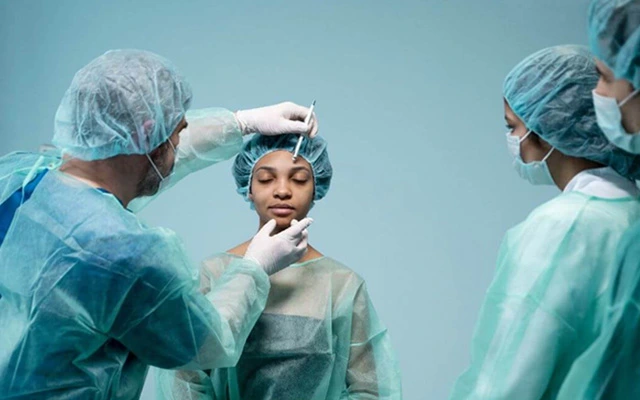
Modern aesthetic surgery is no longer based only on skilful hands. It is also powered by intelligent tools that help surgeons plan better, operate safer, and heal smarter.
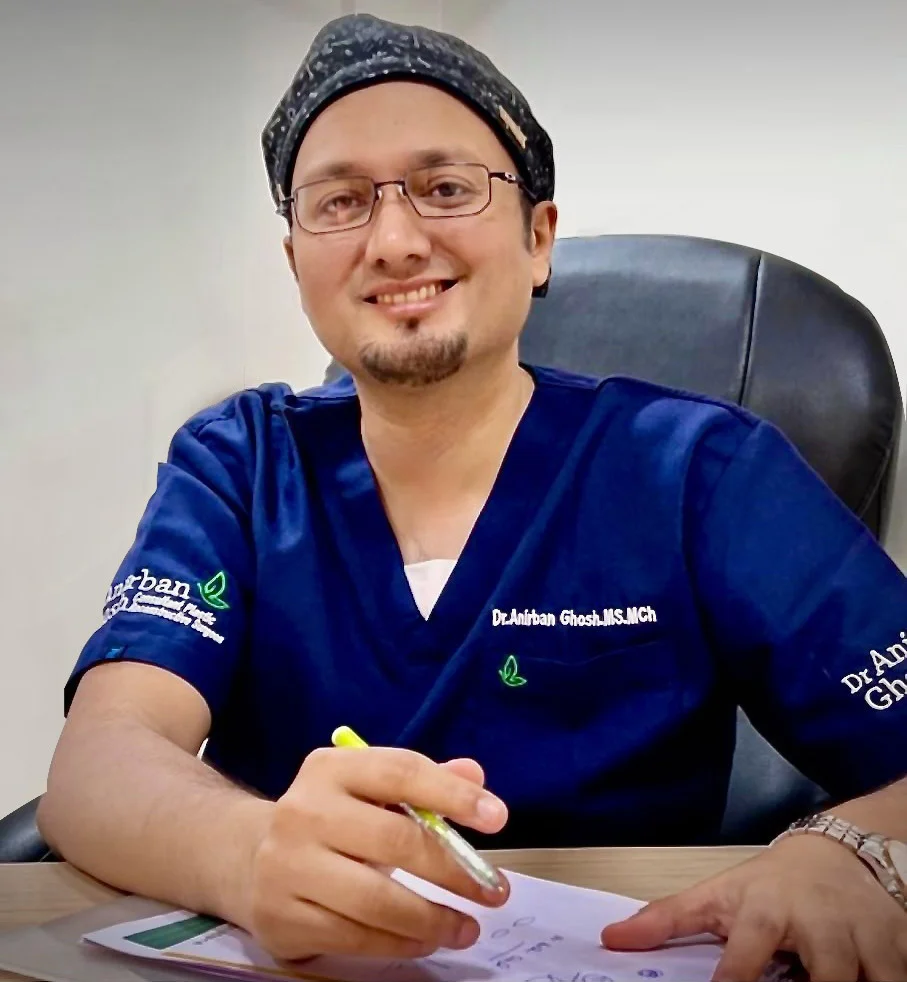
Dr Anirban Ghosh, a reputed aesthetic surgeon from Anirvana Clinic in Kolkata, combines his expertise with the latest technology for safer and better results.
Read on to know more about how technology is quietly transforming aesthetic results behind the scenes.
How does technology improve safety in aesthetic surgery?
Technology reduces uncertainty and improves control during every stage of surgery.
Better planning and monitoring significantly reduce the risk of complications.
Here’s how safe aesthetic surgery is achieved today:
- Real-time patient monitoring during procedures improves response times
- Advanced imaging reduces guesswork before incisions are made
- Improved sterilisation and operating protocols reduce infection risks
Complication rates have steadily decreased as practices have adopted technology.
What role does advanced technology play in plastic surgery?
Technology supports accuracy, consistency, and predictability in surgical outcomes. It enhances decision-making before the first incision.
The impact of advanced technology in plastic surgery includes:
- High-resolution imaging for anatomical assessment
- Software-assisted measurements for balanced proportions
- Precision instruments that reduce tissue trauma
Dr Anirban Ghosh, an experienced aesthetic surgeon in Kolkata, uses technology as an extension of clinical judgment, not a replacement.
How is technology used in cosmetic surgery today?
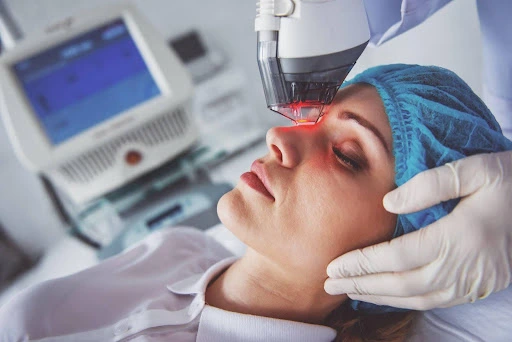
Technology guides planning, execution, and recovery across cosmetic procedures. It improves both the surgeon’s confidence and the patient’s understanding.
Key applications of technology in cosmetic surgery include:
- Digital simulations for pre-surgical discussions
- Advanced anaesthesia delivery systems
- Post-operative monitoring tools for safer recovery
These innovations help align patient expectations with achievable, medically safe results.
Why is precision important in aesthetic surgery?
Precision reduces trauma, improves symmetry, and enhances long-term outcomes. Small inaccuracies can lead to visible dissatisfaction.
Here’s how precision in aesthetic surgery is maintained:
- Computer-assisted measurements ensure proportional balance
- Advanced instruments allow controlled tissue manipulation
- Detailed surgical mapping minimises unnecessary incisions
Precision is not about perfection. It is about predictability and respect for anatomy.
What modern plastic surgery techniques rely on technology?
Today’s techniques prioritise tissue preservation and controlled modification. Technology makes procedures less aggressive and more refined.
Common modern plastic surgery techniques supported by technology:
- Energy-based devices for skin tightening
- Ultrasound-assisted contouring
- Endoscopic approaches for reduced scarring
Clinical studies show minimally traumatic techniques reduce recovery time and postoperative complications.
How does digital planning improve cosmetic surgery results?
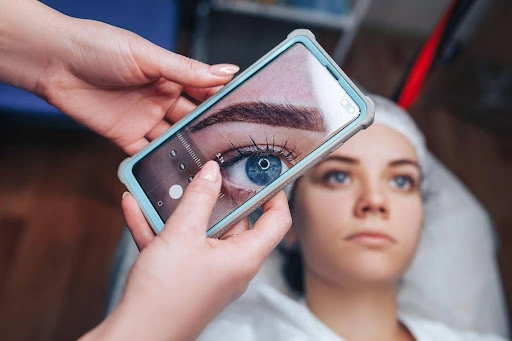
Digital planning allows surgeons to visualise outcomes before surgery begins. It improves communication and surgical accuracy.
Benefits of digital planning in cosmetic surgery include:
- Facial and body mapping using 3D software
- Predictable surgical pathways
- Better patient understanding of realistic outcomes
Digital planning does not guarantee results; it improves informed decision-making.
How does technology help surgeons personalise aesthetic surgery for each patient?
Technology allows treatment plans to be customised, not standardised. No two faces or bodies are the same, and technology helps respect that difference.
This is how personalisation works in modern aesthetic practice:
- Digital analysis helps map individual facial symmetry and proportions
- Skin quality, tissue thickness, and healing capacity are assessed pre-surgery
- Surgical plans are adjusted to age, lifestyle, and long-term aesthetic goals
Instead of applying one-size-fits-all methods, surgeons create personalised approaches. This reduces overcorrection and improves patient satisfaction over time.
Are minimally invasive aesthetic procedures safer?
Yes, when used appropriately, minimally invasive aesthetic procedures reduce downtime and surgical stress. They are not risk-free but offer controlled intervention.
Advantages of minimally invasive aesthetic procedures:
- Smaller incisions reduce infection risk
- Faster healing due to less tissue disruption
- Lower anaesthesia exposure in selected cases
However, proper patient selection remains essential for safety and effectiveness.
How is surgical safety maintained during cosmetic procedures?
Safety protocols combine technology, training, and strict standards. Technology supports—but never replaces—clinical expertise.
Key aspects of surgical safety in cosmetic procedures include:
- Continuous vital sign monitoring
- Infection control systems
- Emergency preparedness protocols
Structured surgical safety checklists significantly reduce complications.
Why does experience matter when using surgical technology?
Technology is only as effective as the surgeon operating it. Skill determines outcomes.
The advantage of choosing Dr Anirban Ghosh, an experienced cosmetic surgeon, includes:
- Correct interpretation of digital data
- Appropriate selection of tools for each case
- Safer handling of unexpected intraoperative findings
As a reputed aesthetic surgeon in Kolkata, Dr Anirban Ghosh from Anirvana Clinic, understands when technology helps—and when restraint matters more.
How does technology impact recovery after aesthetic surgery?
Technology can shorten recovery time and improve comfort when used correctly. Healing becomes more predictable.
Here’s how recovery benefits:
| Technology Used | Recovery Benefit |
| Precision instruments | Less swelling and bruising |
| Minimally invasive tools | Faster return to routine |
| Monitoring devices | Early complication detection |
Reduced tissue trauma directly correlates with faster postoperative recovery.
Technology supports skill, it does not replace it
Technology has transformed aesthetic surgery—but it is not the hero. The surgeon is.
The safest, most natural results happen when technology supports experience, planning, and anatomical respect.
Choosing the right surgeon matters more than choosing the latest device.
If you’re considering aesthetic surgery, expertise and safety should come first.
Dr Anirban Ghosh, a trusted aesthetic surgeon in Kolkata, combines medical expertise with advanced technology at Anirvana Clinic.
Schedule a consultation with the expert today.
People Also Ask
1. How does technology make aesthetic surgery safer?
Technology improves accuracy, planning, and real-time monitoring during procedures.
This reduces human error and lowers the risk of complications.
2. Is aesthetic surgery safer today than in the past?
Yes, safety has improved due to better equipment, imaging, and monitoring systems. Standardised protocols and technology-driven precision play a major role.
3. What technology is commonly used in cosmetic surgery?
Surgeons use digital imaging, precision instruments, and advanced monitoring tools. These technologies support better planning and controlled surgical execution.
4. Does technology help aesthetic surgery look more natural?
Yes, technology helps surgeons plan subtle, proportionate changes accurately. This reduces overcorrection and supports natural-looking outcomes.
5. Are minimally invasive aesthetic procedures safer than traditional surgery?
Minimally invasive aesthetic procedures often involve less tissue damage and shorter recovery times. However, safety depends on proper patient selection and the surgeon’s expertise.
6. How does digital planning improve aesthetic surgery results?
Digital planning enables surgeons to visualise anatomy and predict outcomes before surgery. It improves accuracy and aligns patient expectations with realistic results.
7. Can technology reduce recovery time after aesthetic surgery?
Yes, precision tools and minimally invasive techniques reduce tissue trauma. Less trauma generally leads to faster and more comfortable recovery.
8. Does advanced equipment guarantee better cosmetic surgery results?
No, equipment supports outcomes but does not replace surgical experience. The surgeon’s judgment remains the most critical factor.
9. How important is surgeon experience when using advanced technology?
Experience ensures technology is used correctly and safely. Poor handling of advanced tools can increase risks rather than reduce them.
10. How do surgeons balance technology with medical expertise in aesthetic surgery?
Technology assists decision-making, but expertise guides every surgical choice. The best results come from skills supported by smart tools.