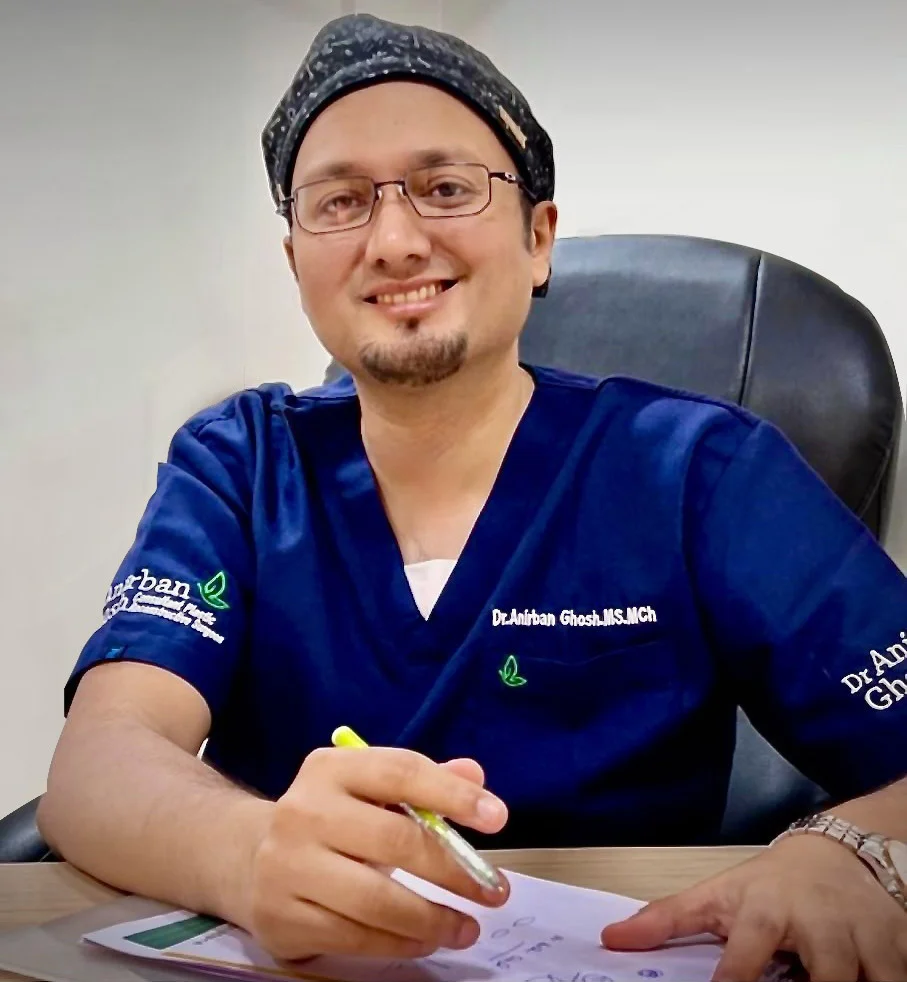
Breast Lift Surgeon in Kolkata
Dr Anirban Ghosh — MCh Plastic Surgery | 15+ years | Anirvana Clinic, Ballygunge
Home / Surgical / Breast Lift
What Is a Breast Lift (Mastopexy)?
A breast lift is a surgical procedure that raises and reshapes the breast by removing excess skin, tightening the skin envelope, reshaping the underlying tissue and — where needed — moving the nipple and areola to a higher position.
It is usually considered when breasts have become lower or more elongated, flatter across the upper pole, loose after pregnancy or breastfeeding, deflated after weight loss, asymmetrical in position, or when the nipples point downward.
The goal is not an artificially high breast. The plan is built around your chest width, your remaining breast tissue and your natural proportions.

What Surgery Can & Cannot Change
| A mastopexy can improve | A mastopexy cannot do |
|---|---|
| Breast position | Meaningfully increase breast volume |
| Nipple and areola position | Restore upper-pole fullness on its own |
| Loose or stretched skin | Stop future ageing or skin stretching |
| Breast contour and projection | Prevent changes from future pregnancy |
| Some forms of asymmetry | Reverse major weight gain or loss |
| Enlarged areolae (in suitable patients) | Guarantee perfect symmetry |
If your main concern is volume, a breast augmentation is likely the better operation. If you have both significant sagging and volume loss, an augmentation-mastopexy may be appropriate.
Lift vs. Implant: Which Problem Are You Solving?
This is the single most important distinction made at consultation.
-
An implant adds volume and projection.It does not reliably correct significant nipple descent or substantial loose skin.
-
A lift corrects position and skin excess. It reshapes a sagging breast without necessarily making the upper pole fuller.
Patients who need both get an augmentation mastopexy — the lift handles the envelope and nipple position, the implant supplies volume.
Do You Need a Breast Lift? Understanding Ptosis
Breast sagging is medically called ptosis. Surgeons do not grade it by whether a breast "looks droopy". The most widely used framework is the Regnault classification, which compares the position of the nipple-areola complex against the inframammary fold — the natural crease under the breast.
Regnault grades of breast ptosis
| Grade | Nipple position | What it usually means | Typical approach |
|---|---|---|---|
| Grade I (mild) | At the level of the inframammary fold | Limited excess skin, but breast may look deflated or elongated | Limited lift, or another technique depending on volume and skin quality |
| Grade II (moderate) | Below the fold, but above the lowest point of the breast | Both skin and tissue need repositioning | Standard lift — commonly vertical |
| Grade III (severe) | Below the fold and at or near the lowest point of the breast, often pointing down | Substantial skin excess and tissue descent | More extensive reshaping — commonly anchor |
| Pseudoptosis | At or above the fold | Nipple is fine; the breast tissue has descended below the fold | Different plan — often lower-pole reshaping |
| Glandular ptosis | Relatively normal | Gland and lower-pole tissue descend; breast looks drooping or deflated | Different plan — tissue reshaping over skin excision |
Because pseudoptosis and glandular ptosis behave differently from true ptosis, assessment looks at nipple position, tissue distribution, skin elasticity and breast volume together — never nipple level alone.
Does the pencil test work?
The "pencil test" — checking whether a pencil placed in the inframammary crease stays held in place — is a rough self-check, not a diagnosis. It can suggest that the lower breast is resting against the chest wall. It cannot grade your ptosis or tell you which operation you need.
Proper assessment requires examination of nipple position, tissue distribution, skin elasticity, breast measurements and body proportions.
Who Is a Suitable Candidate?
A breast lift may suit a physically healthy adult with realistic expectations who is bothered by breast sagging or loss of shape.
Patients Most Commonly Seek Mastopexy After
Pregnancy, breastfeeding, significant weight loss, age-related loss of skin elasticity, a change in nipple position, developing asymmetry, or loss of upper-breast fullness. Heredity also plays a substantial role — some women develop ptosis without any of these triggers.
When is the Right Time After Pregnancy or Weight Loss?
Breast shape keeps changing for months after pregnancy, breastfeeding or major weight loss. Surgery is usually planned once:
- Breastfeeding has finished — commonly 3–6 months after stopping, once the breasts have softened and settled
- Breast size has stabilised
- Body weight has been reasonably stable, typically for 6+ months
- No pregnancy is planned in the near future
There is no single waiting period that suits everyone. The decision should follow breast stability, not a date on a calendar.
When Should Surgery be Postponed?
Mastopexy may need to be delayed or reconsidered if you have:
- Active smoking or any nicotine use
- Uncontrolled diabetes or another significant uncontrolled medical condition
- Active breast infection
- Unstable body weight or BMI
- Current pregnancy or ongoing breastfeeding
- Certain bleeding disorders, or anticoagulants that cannot safely be paused
- Significant anaesthetic risk
- Expectations that surgery cannot meet
A complete medical history is therefore a non-negotiable part of consultation.
Why Smoking Must Stop Before Surgery?
Nicotine constricts blood vessels and reduces blood flow to healing tissue. That raises the risk of wound-healing problems and, in mastopexy specifically, of nipple-areola complications — because the nipple and areola must keep an adequate blood supply while being repositioned.
Most surgeons require a nicotine-free period of around 4–6 weeks before and after surgery, though the exact requirement depends on your risk profile and the extent of the planned lift. This applies to cigarettes, vapes, nicotine patches, gum and smokeless tobacco — not just smoking.
What are the Different Types of Breast Lift?
There is no single "best" breast lift. The right technique depends on your degree of ptosis, nipple position, skin excess, breast size and remaining volume, areola size, skin quality, the shape you want, and whether an implant or reduction is also needed.
Breast lift techniques compared
| Technique | Scar pattern | Lift achievable | Best suited to |
|---|---|---|---|
| Crescent lift | Small crescent above the areola | Minimal | Very mild cases; narrow indications |
| Periareolar (donut) lift | Circle around the areola | Limited | Mild ptosis; areolar size reduction |
| Vertical (lollipop) lift | Around areola + vertical line to the crease | Moderate to good | Moderate (Grade II) ptosis — a common choice |
| Anchor (inverted-T) lift | Around areola + vertical + horizontal along the fold | Maximum | Severe (Grade III) ptosis, large skin excess |
| Augmentation mastopexy | Depends on lift pattern used | Lift + added volume | Sagging with volume loss, especially upper pole |
| Lift with reduction | Usually vertical or anchor | Lift + size reduction | Breasts both sagging and disproportionately large |
A note on the crescent lift: it produces limited elevation and should never be presented as an alternative to a full mastopexy in someone with meaningful sagging.
A note on augmentation mastopexy: combining a lift and implant is a more complex operation than either alone. Implant size must be chosen carefully — an oversized implant places tension on freshly lifted tissue and can accelerate recurrent sagging. ISAPS describes augmentation mastopexy as a combined procedure addressing both volume and position.
How Your Technique Is Chosen
Technique should not be selected by which scar sounds least alarming. A shorter scar with inadequate correction is not a better operation.
Before recommending a pattern, Dr Ghosh assesses nipple-to-fold distance, breast width and base diameter, skin excess, tissue distribution, existing asymmetry, breast volume, your desired final size, your scarring history, and your future breastfeeding plans.
Breast Lift Scars: An Honest Guide
Every true surgical breast lift leaves permanent scars. Any clinic promising a "scarless mastopexy" is describing something that does not exist. The realistic goal is the shortest appropriate scar that does not compromise shape or safety.
How breast lift scars heal?
Early scars are typically pink or red, sometimes darker than surrounding skin, slightly raised, firm, and more noticeable than patients expect. This is normal.
Scar maturation is slow. Over roughly 12–18 months, most scars soften, flatten and fade — but they do not disappear. Final colour and texture depend on genetics, tension across the incision, wound healing and skin type.
Keloid and Hypertrophic Risk in Indian Skin
Patients with more deeply pigmented skin can have a higher tendency toward post-inflammatory pigmentation and hypertrophic or keloid scarring, though individual susceptibility varies widely.
Tell your surgeon before surgery if you have a history of keloids, thick or raised scars, or scars that darkened after previous operations. Having darker skin does not mean you will develop a keloid — but it does change how the scar plan is built.
Our Scar Management Protocol
Scar care is individualised and staged to wound healing — starting too early can do harm. Depending on how your scar behaves, aftercare may include careful wound support, surgical tape through early healing, strict sun protection, avoidance of unnecessary tension across the scar, regular review, and early treatment of raised or symptomatic scars where indicated.
What Happens at Your Breast Lift Consultation?
A mastopexy consultation involves considerably more than choosing a cup size or scrolling through photographs.
Examination, Measurements and Photography
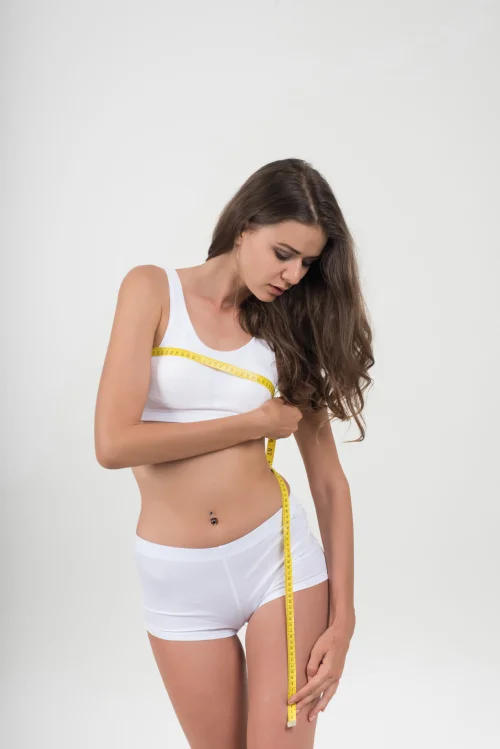
Assessment covers breast size and width, nipple position, areola size, inframammary fold position, skin elasticity, glandular tissue volume, degree of ptosis, existing asymmetry and chest-wall differences. Clinical measurement — particularly sternal-notch-to-nipple and nipple-to-fold distances — drives the surgical plan.
Standardised photographs may be taken with your written consent for planning and medical records.
Pre-Operative Breast Imaging and Screening
Cosmetic surgery does not replace routine breast screening. Your surgeon will review your age, previous breast problems, family history, current symptoms, past mammography or ultrasound, and screening history.
Screening recommendations differ between guideline bodies and by country — the age at which routine mammography should begin, and how often, is not settled internationally. Imaging before cosmetic breast surgery should be ordered on clinical grounds — age, symptoms, risk factors and applicable screening guidance — not simply because surgery is planned.
Any new lump, abnormal nipple discharge, suspicious skin change or other breast symptom must be investigated before elective cosmetic surgery.
Blood Tests and Fitness Clearance
Pre-operative investigations are selected based on your age, history and anaesthetic requirements. These commonly include a complete blood count, blood sugar, coagulation studies, and — where clinically indicated — kidney or liver function tests, ECG, chest evaluation and pregnancy testing. Patients with existing medical conditions may need clearance from a physician, cardiologist or endocrinologist.
Setting Realistic Expectations
Perfect symmetry does not exist before or after surgery. Your consultation should cover the likely scar pattern, expected nipple position, possible residual size differences, realistic upper-pole fullness, the limits of your existing tissue, the possibility of recurrent sagging, and the potential need for revision.
The goal is improvement, not geometric perfection.
Why Choose Dr Anirban Ghosh?
About the Surgeon
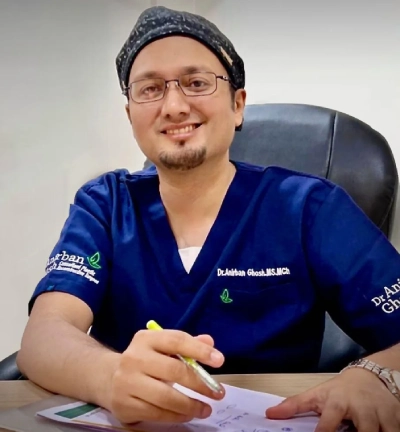
Dr. Anirban Ghosh
- MBBS (Gold Medallist)
- MS (General Surgery)
- MRCS (England)
- MCh (Aesthetic Plastic Surgery)
15+ Years of Experience
in aesthetic & reconstructive plastic surgery
50000+ Patients
Affiliations
- Indian Association of Aesthetic Plastic Surgeons (IAAPS)
- The Association of Plastic Surgeons of India (APSI)
Awards & Recognitions
- Honoured with the Indian Icon Best Healthcare Entrepreneur Award
- Esteemed Recipient of the Rabindra Ratna Puraskar 2025
How to Prepare for Breast Lift Surgery
Medications and Supplements
Disclose every medication and supplement you take, including over-the-counter products and herbal supplements — several increase bleeding risk or interact with anaesthesia.
Do not stop prescribed anticoagulants, aspirin or other essential medication on your own. Any change must be coordinated between your surgeon and your treating physician.
Smoking Cessation Timeline
Be honest about nicotine use — understating it does not protect you, it increases your risk of nipple-areola complications. Your surgeon will confirm the required nicotine-free window before and after surgery.
Arranging Support and Time Off
Before your surgery date, arrange someone to take you home, help for the first 3–5 days, appropriate leave from work, loose front-opening clothing, childcare if needed, and help with heavy household tasks. You cannot drive yourself home after general anaesthesia or sedation.
What to Bring on the Day
Admission paperwork, all test reports, previous breast imaging, a written list of your medications, photo identification, comfortable front-opening clothes, and the prescribed support bra if you were instructed to buy one.

The Breast Lift Procedure Step by Step
Anaesthesia and Monitoring
Breast lift surgery is usually performed under general anaesthesia. Your anaesthetist reviews your history beforehand and monitors vital parameters throughout.
Surgical Markings
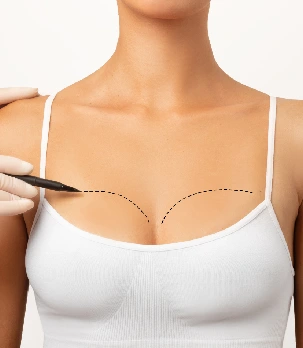
Markings are made while you are standing, because breast position changes when you lie down. They plan the new nipple position, breast meridian, skin removal and incision placement.
Incision and Skin Excision
The planned pattern is incised and excess skin removed according to the degree and direction of laxity.
Reshaping the Breast Tissue
The underlying breast tissue is reshaped into a more supported mound. Deep internal sutures may be used to hold the new shape.
Repositioning the Nipple-Areola Complex
Where required, the nipple-areola complex is moved upward on a tissue pedicle that preserves its blood supply and nerve connections.
Closure and Dressing
Incisions are closed in layers, dressings applied and a support garment fitted. Drains are not routine in mastopexy and are used selectively.
Duration and Same-Day vs. Overnight Stay
Operating time depends on technique, degree of correction, and whether an implant or reduction is combined. Some patients go home after a period of post-operative observation; others need overnight monitoring. This is decided on the day based on your recovery, not promised in advance.
Recovery Timeline After a Breast Lift
Recovery varies. An extensive anchor lift or a combined implant procedure recovers differently from a limited mastopexy.
| Period | What to expect | Activity |
|---|---|---|
| Days 1–7 | Tightness, swelling, bruising, soreness, temporary numbness, swelling-related asymmetry | Short walks encouraged. No heavy lifting, stretching or vigorous upper-body activity |
| Weeks 2–3 | Noticeably more comfortable. Breasts still swollen — not the final result | Many desk-based patients return to work, depending on healing |
| Weeks 4–6 | Skin looks settled; internal healing continues | Daily activities resumed progressively after review. Do not increase activity just because pain has eased |
| Weeks 6–8 | Tissues considerably stronger | Exercise reintroduced gradually with surgical clearance. High-impact and chest training restricted longest |
| Months 3–6 | Breast softens and settles into final shape | Normal activity. Scars still maturing |
| 12–18 months | Scar maturation largely complete | — |
Aftercare: do and don't
Do:
attend every scheduled review, keep wounds clean exactly as instructed, take prescribed medication correctly, walk regularly, wear the recommended support, and report unusual symptoms promptly.
Avoid Until Cleared:
nicotine in any form, heavy lifting, vigorous gym activity, sleeping face-down on the breasts, applying unapproved creams to incisions, underwired bras, and sun exposure on immature scars.

Support bra: What to Wear and For How Long
A supportive surgical or non-underwired bra is standard through early recovery. Duration depends on technique, swelling, implant use, incision healing and surgeon preference — your team will give you a specific timeline rather than a generic one.
Risks and Complications You Should Know
A breast lift is elective surgery and is not risk-free. Recognised risks include anaesthetic complications, bleeding, infection, poor wound healing, changes in sensation, asymmetry, fat necrosis, seroma, partial or complete nipple-areola loss, deep vein thrombosis and pulmonary embolism, and the possibility of further surgery.
Common, Expected Side Effects
Swelling, bruising, tenderness, tightness, temporary numbness and minor differences in swelling between the two breasts are expected and usually settle during recovery.
Bleeding, Haematoma and Seroma
Some bleeding is normal during and immediately after surgery; persistent or excessive bleeding is not. Blood collecting within the breast forms a haematoma, which causes increasing swelling, pain, firmness or new asymmetry. A seroma is a collection of clear fluid in the operated area.
Small collections may settle with monitoring. Larger or symptomatic ones may need aspiration, drainage, or a return to theatre.
Infection and Wound Healing Problems
Every surgical wound carries infection risk. Contact the surgical team immediately — do not self-treat — if you develop increasing redness, worsening pain, fever, pus-like discharge, sudden swelling or wound separation.
Nipple and Areola Sensation Changes
Breast and nipple sensation can decrease, increase or feel altered after mastopexy. Most changes are temporary. In some patients they are permanent.
Nipple-Areola Necrosis: Why Smoking Matters
Partial or complete loss of nipple-areola tissue from inadequate blood supply is one of the more serious complications of mastopexy. It is uncommon, but the risk rises with the extent of nipple repositioning. This is why nicotine cessation is treated as a safety requirement, not a lifestyle suggestion — nicotine directly impairs the perfusion the repositioned nipple depends on.
Asymmetry and the Possibility of Revision
Natural breasts are rarely identical before surgery. Mastopexy improves symmetry but differences in volume, nipple height, fold position, scar behaviour and healing can persist. A minority of patients ultimately choose or require revision surgery.
Anaesthesia and Thrombosis Risk
General anaesthesia carries recognised risks. Surgery also carries a small risk of deep vein thrombosis and pulmonary embolism. Risk assessment considers previous thrombosis, obesity, smoking, hormonal medication (including combined oral contraceptives), reduced mobility, age, operative duration and existing conditions. Prevention is individualised and may include early mobilisation, mechanical compression and pharmacological prophylaxis where indicated.
Our Safety Protocols and Emergency Cover
Major surgical cases are performed at accredited facilities with consultant-led anaesthesia. Your facility, anaesthesia team, post-operative observation plan and emergency arrangements are confirmed with you before the day of surgery.
Breast Lift and Breastfeeding
Can you breastfeed after a breast lift?
Many women breastfeed successfully after mastopexy, but it cannot be guaranteed. Surgery may affect milk ducts, glandular tissue, nipple sensation and nerve supply, and the degree depends on the technique used — particularly how the nipple-areola complex is handled.
Professional plastic surgery guidance recognises that breastfeeding often remains possible after a breast lift, while acknowledging it may be affected in some patients.
Tell your surgeon before surgery if future breastfeeding matters to you. It can influence technique selection.


Should You Wait Until You've Finished Having Children?
Not necessarily — you do not have to complete your family before having a lift. But future pregnancy and breastfeeding can stretch the breast again and partially reverse the improvement. If you're planning a pregnancy within the next year or two, postponing usually makes practical sense.
How Long Do Breast Lift Results Last?
Factors That Cause Recurrent Sagging
Recurrent sagging is driven by pregnancy, breastfeeding, major weight gain or loss, ageing, declining skin elasticity, genetics and large breast volume. The American Society of Plastic Surgeons notes that pregnancy and significant weight fluctuation can affect breast lift results.
Maintaining Your Result
To protect your result keep your weight reasonably stable, avoid nicotine, wear proper support during high-impact exercise, follow post-operative guidance, and maintain general skin and nutritional health. Some natural change over the years should still be expected.
Breast Lift vs. Other Breast Procedures
| Breast lift | Breast augmentation | Breast reduction | |
|---|---|---|---|
| Primary aim | Reposition and reshape | Increase volume | Reduce size |
| Volume change | Minimal (may look slightly smaller) | Increase | Significant decrease |
| Corrects sagging | Yes | Not reliably | Yes |
| Upper-pole fullness | Limited improvement | Yes | Limited |
| Uses implants | No | Yes | No |
| Often chosen for | Post-pregnancy, post-weight-loss ptosis | Small or deflated breasts with good position | Large breasts causing neck, shoulder or back symptoms |
Choose a lift alone when adequate natural volume remains and sagging is the main concern. Consider adding an implant if you also want more volume, more upper-pole fullness or increased projection — remembering that larger implants add weight to a freshly lifted envelope.
Consider reduction instead if breast size is causing neck or shoulder discomfort, bra-strap grooving, difficulty exercising, or recurrent skin irritation under the breast.
Breast lift as part of a mommy makeover
After pregnancy, breast changes often coexist with loose abdominal skin, rectus muscle separation and localised fat deposits, so mastopexy can form part of a mommy makeover plan. Not everything should be combined, though — total operating time, cumulative anaesthetic risk and realistic recovery capacity are assessed first.
Choosing the Right Breast Lift Doctor in Kolkata
Why an MCh-Qualified Plastic Surgeon Matters
MCh (Plastic Surgery) is the highest formal surgical training qualification for plastic surgery in India — a three-year super-specialty programme completed after MS General Surgery. It provides structured training in tissue handling and blood supply, wound healing, scar placement, breast anatomy, reconstructive principles and, critically, the management of complications when they occur.
Verify any surgeon's registration on the relevant State Medical Council register before booking.
Questions to Ask at Your Consultation
Which type of lift do I need, and why is that technique right for my anatomy?
Where exactly will my scars be?
Do I need an implant — or would a reduction be more appropriate?
Who will administer the anaesthesia, and what are their qualifications?
Where will surgery take place, and is the facility accredited?
Will I go home the same day or stay overnight?
What are my individual risks, given my history?
What happens, practically, if I develop a complication — who do I call, and who pays?
Could this affect future breastfeeding?
How much residual asymmetry should I realistically expect?
What exactly does the quoted fee include, and what doesn't it?
Red Flags When Comparing Clinics
Be cautious of any clinic claiming: no scars, guaranteed results, 100% symmetry, zero risk, a permanent lift, no recovery needed, or offering surgery without a proper anaesthesia assessment. Time-limited discount pressure on elective surgery is another warning sign.
A responsible consultation discusses trade-offs as openly as benefits.

Visiting Our Clinic in Kolkata
Anirvana Clinic
8/29 Fern Road, Ballygunge Gardens, Gariahat Kolkata, West Bengal 700019
Phone
+91 6289109687
Consultation hours
| Day | Hours |
|---|---|
| Monday | 10:00 am – 10:30 pm |
| Tuesday – Saturday | 9:00 am – 9:30 pm |
| Sunday | Closed |
Hours may vary on public holidays.
Areas served
Patients travel to the Ballygunge clinic from Gariahat, Ballygunge, Dhakuria, Rashbehari, Kasba, Jadavpur, Tollygunge, Alipore, Park Street, Salt Lake, New Town, Behala, Howrah and across South and North Kolkata — as well as from Durgapur, Asansol, Siliguri and other districts of West Bengal, and from Bihar, Jharkhand, Odisha and Assam.
Travelling from outside Kolkata? Discuss the follow-up schedule before booking travel.
Frequently Asked Questions (FAQs)
Is a breast lift suitable after major weight loss?
Yes, it is one of the most common indications. Significant weight loss often leaves loose skin, deflated breast tissue and nipple descent. Surgery is generally planned once weight has stabilised and no further major loss is expected.
Can exercise lift sagging breasts?
No. Exercise strengthens the pectoral muscles beneath the breast but cannot remove stretched skin or reposition a descended nipple. Breast tissue itself contains no muscle.
Can an implant correct sagging without a lift?
An implant may improve mild deflation in selected patients, but it cannot correct significant nipple ptosis or substantial excess skin. Using an oversized implant to compensate for sagging usually worsens the problem over time.
Does a breast lift reduce breast size?
Mainly it reshapes and raises. Some patients perceive the breast as slightly smaller once loose skin is removed, but meaningful size reduction requires a breast reduction.
Will I lose nipple sensation after a breast lift?
Temporary sensation changes are common. Permanent change is possible but not inevitable, and the risk relates to how far the nipple is repositioned.
Can I breastfeed after a breast lift?
Many women can, but it cannot be guaranteed. Surgery may affect milk ducts, glandular tissue or nerve supply. Tell your surgeon in advance if future breastfeeding matters to you.
Will breast lift scars disappear completely?
No. Every surgical mastopexy leaves permanent scars, though most soften and fade considerably over 12–18 months.
Which breast lift leaves the smallest scar?
Periareolar mastopexy leaves the shortest scar but provides the least correction. The shortest scar is not automatically the best result — an inadequate lift is its own problem.
Is breast lift surgery painful?
Expect soreness, tightness and swelling in the first week. Pain tolerance varies widely, and post-operative pain control is planned in advance.
How soon can I return to work after a breast lift?
Many desk-based patients return within about two weeks. Physically demanding work requires longer — often 4–6 weeks — depending on surgical extent and healing.
Can sagging return after a breast lift?
Yes. Ageing, pregnancy, weight fluctuation and declining skin elasticity can all cause recurrent laxity over the years.
Is a breast lift safe?
Mastopexy is a well-established operation, but it carries real risks: bleeding, infection, wound-healing problems, altered sensation, seroma, asymmetry, nipple-areola tissue loss, DVT and anaesthetic complications. Safety depends heavily on patient selection, facility standards and surgeon training.
What is the best age for a breast lift?
There is no universal best age. Breast stability, general health, future pregnancy plans and the degree of ptosis matter far more than a number.
Can a breast lift correct downward-pointing nipples?
Yes, when this is caused by ptosis. Mastopexy repositions the nipple-areola complex to a more appropriate level; the extent depends on your anatomy and degree of sagging.
How long does breast lift surgery take?
Typically two to three hours, extending further if an implant or reduction is combined. Your surgeon will give an estimate specific to your plan.
Do I need to stay overnight in hospital?
Not always. Some patients are discharged after a period of post-operative observation; others stay overnight for monitoring. This is decided individually based on the extent of surgery, anaesthesia and your recovery.
When can I fly after a breast lift?
Discuss this specifically with your surgeon. Air travel is generally avoided in the early post-operative period because of thrombosis risk and the need for in-person review.
How do I choose a breast lift doctor in Kolkata?
Look for formal MCh plastic surgery qualification and verifiable State Medical Council registration, experience in aesthetic breast surgery, an accredited hospital with consultant-led anaesthesia, transparent discussion of scars and complications, clear written costing, and a surgeon who recommends a technique based on your measurements rather than selling one standard operation.
Request An Appointment
Visit us
Anirvana Clinic
Ballygunge, Kolkata — just off Rash Behari Avenue
References and Medical Sources
American Society of Plastic Surgeons. Breast Lift (Mastopexy). plasticsurgery.org — https://www.plasticsurgery.org/cosmetic-procedures/breast-lift
American Society of Plastic Surgeons. Breast Lift: Questions to Ask Your Surgeon. plasticsurgery.org — https://www.plasticsurgery.org/cosmetic-procedures/breast-lift/questions
International Society of Aesthetic Plastic Surgery. Augmentation Mastopexy. isaps.org — https://www.isaps.org/discover/patients-home/procedures/breast-procedures/augmentation-mastopexy/
StatPearls / National Center for Biotechnology Information. Mastopexy. NCBI Bookshelf — https://www.ncbi.nlm.nih.gov/books/NBK610682/
American Society of Plastic Surgeons. Breast Lift Patient
Transformation Guide. plasticsurgery.org