
Stapler Circumcision
Dr. Anirban Ghosh [15+ Yrs of Experience]
Plastic Surgeon in Kolkata
Home / Surgical / Stapler Circumcision
Stapler Circumcision in Kolkata
What is Stapler Circumcision?
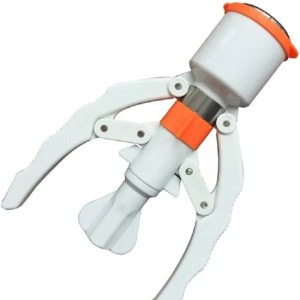
Stapler circumcision is a modern surgical method used to remove the foreskin using a specialised stapler device that cuts and seals the tissue in one step. It is minimally invasive, requires no stitches, and is known for less pain, minimal bleeding, and faster recovery compared to traditional methods.
For safe, precise, and advanced stapler circumcision, consult Dr Anirban Ghosh at Anirvana Clinic, where patient comfort comes first.
Types of Stapler Circumcision Surgery
Disposable Circular Stapler Circumcision (ZSR Technique)
Duration: 15–20 minutes
Anaesthesia: Local anaesthesia
Recovery Time: 7–10 days for basic healing, ~2–3 weeks for full recovery
Anaesthesia: Local anaesthesia
Recovery Time: 7–10 days for basic healing, ~2–3 weeks for full recovery
Silicone Ring-Assisted Stapler Circumcision
Duration: 20–25 minutes
Anaesthesia: Local anaesthesia
Recovery Time: 10–14 days
Anaesthesia: Local anaesthesia
Recovery Time: 10–14 days
High-Compression Stapler Circumcision
Duration: 20–30 minutes
Anaesthesia: Local anaesthesia (sometimes mild sedation if needed)
Recovery Time: 10–14 days
Anaesthesia: Local anaesthesia (sometimes mild sedation if needed)
Recovery Time: 10–14 days
Step-by-Step Guide to Stapler Circumcision

Step-1
Pre-Surgery
Preparation
The area is cleaned, and local anaesthesia is given to numb it completely.

Step-2
Positioning the Stapler Device
A bell-shaped component is placed over the glans to align the foreskin.

Step-3
Fitting the Circular Stapler
The stapler is positioned around the foreskin, ensuring even and controlled pressure.

Step-4
One-Step Cutting and Sealing
The stapler removes excess foreskin while sealing the edges with tiny staples.

Step-5
Device Removal and Dressing
The stapler is removed, leaving a neat sealed wound with light dressing.

Step-6
Immediate Post-Procedure Care
You are observed briefly and discharged with hygiene and medication instructions.
Benefits of Stapler Circumcision
Minimally invasive circumcision technique
Less pain and discomfort
Minimal bleeding
No stitches required
Better cosmetic results
Lower risk of infection
Same-day discharge
Early return to daily activities

Why Choose Anirvana Clinic?
About the Surgeon
Dr. Anirban Ghosh
- MBBS (Gold Medallist)
- MS (General Surgery)
- MRCS (England)
- MCh (Aesthetic Plastic Surgery)
15+ Years of Experience
50000+ Successful Surgeries

Affiliations
- Indian Association of Aesthetic Plastic Surgeons (IAAPS)
- The Association of Plastic Surgeons of India (APSI)
Awards & Recognitions
- Honoured with the Indian Icon Best Healthcare Entrepreneur Award
- Esteemed Recipient of the Rabindra Ratna Puraskar 2025
Stapler Circumcision vs. Traditional Circumcision
| Factors | Stapler Circumcision | Traditional Circumcision |
|---|---|---|
| Technique | Automatic cutting + stapling device | Manual surgical removal |
| Duration | 15–20 minutes | 30–45 minutes |
| Pain Level | Minimal | Moderate |
| Bleeding | Very minimal | More compared to others |
| Stitches Required | No | Yes |
| Precision | Highly uniform circular cut | Depends on the surgeon's skill |
| Recovery Time | 7–10 days (basic), 2–3 weeks full | 3–4 weeks |
| Cosmetic Outcome | Clean, even finish | May vary |
| Risk of Complications | Low | Slightly higher |
| Hospital Stay | Same-day discharge | May require observation |
| Return to Work | 2–3 days | 5–7 days |
Recovery Timeline After Stapler Circumcision
Day 1 (Procedure Day)
- Mild discomfort or numbness
- Minimal bleeding
- Discharged within a few hours
Day 2–3
- Slight swelling and sensitivity
- Mild pain manageable with medication
- Resume light daily activities
Day 4–7
- Noticeable reduction in swelling
- Staples remain in place
- Most patients feel comfortable walking and working
Day 7–10
- Staples start falling off naturally
- The wound begins to close properly
- Hygiene becomes easier
Week 2
- Significant healing achieved
- Minimal discomfort
- Normal routine almost restored
Week 3–4
- Complete healing in most cases
- Can resume all activities (as advised by the doctor)
When is Stapler Circumcision Needed?
Phimosis (tight foreskin) – when the foreskin cannot be pulled back properly
Paraphimosis – the foreskin gets stuck behind the glans and causes swelling
Recurrent penile infections (balanitis/posthitis) – repeated redness, pain, or discharge
Pain during erection or intercourse due to a tight foreskin
Difficulty in maintaining hygiene under the foreskin
Frequent urinary issues linked to foreskin problems
Foreskin tears or scarring from repeated irritation
Medical recommendations for long-term foreskin complications
Risks & Safety Measures After Stapler Circumcision
Possible Risks
Mild pain or discomfort
Swelling around the surgical area
Slight bleeding or spotting
Temporary sensitivity
Delayed healing (in some cases)
Infection (rare, if hygiene is not maintained)
Staple retention for longer than expected (rare)
Safety Measures to Follow
Keep the area clean and dry at all times
Follow prescribed medications and antibiotics
Avoid touching or disturbing the wound unnecessarily
Wear loose, comfortable clothing
Avoid strenuous activities for a few days
Maintain proper genital hygiene
Avoid sexual activity until complete healing
Attend follow-up consultations as advised
Frequently Asked Questions (FAQs)
1. Does stapler circumcision cause complications?
Yes, minor complications such as swelling, mild discomfort, or infection can occur. Serious complications are rare and are usually linked to improper technique or poor post-operative care.
2. Is there bleeding in a stapler circumcision?
Bleeding is minimal in stapler circumcision because the device simultaneously cuts and seals the tissue. Compared to conventional methods, blood loss is significantly lower. Mild spotting may occur after surgery, but heavy bleeding is uncommon.
3. When can you resume sex after a stapler circumcision?
Patients are usually advised to wait 4 to 6 weeks before resuming sexual activity. This allows complete healing of the surgical site and reduces the risk of wound disruption, pain, or infection.
4. How long do staples stay after circumcision?
The staples used in stapler circumcision are typically self-detaching and fall off naturally within 10 to 14 days. In some cases, a few staples may take slightly longer and may require removal by a doctor if they do not fall off on their own.
5. Is a stapler circumcision suitable for children?
Stapler circumcision is more commonly recommended for adults and older adolescents. For younger children, doctors may prefer conventional methods depending on age, anatomy, and clinical indication. The choice of technique is always individualised after proper evaluation by a surgeon.