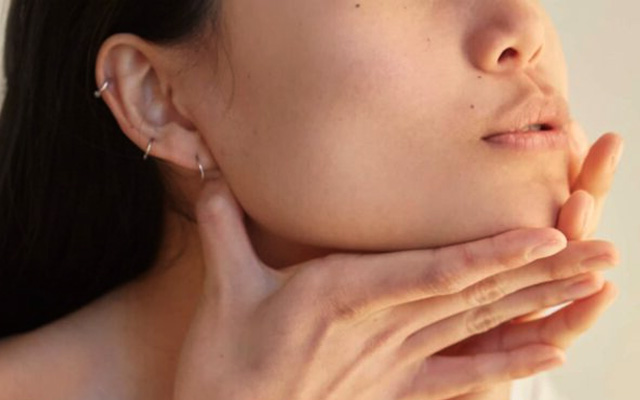
Many people feel confused when their jawline begins to lose definition early, especially in their late 20s, despite maintaining a healthy lifestyle. This concern is surprisingly common during consultations with a plastic surgeon, as early jawline softening often occurs much sooner than most individuals expect.
Fat grafting surgery—also known as fat transfer—is a procedure where a plastic surgeon uses your own body fat, purified and strategically placed, to restore lost volume and redefine facial contours naturally.
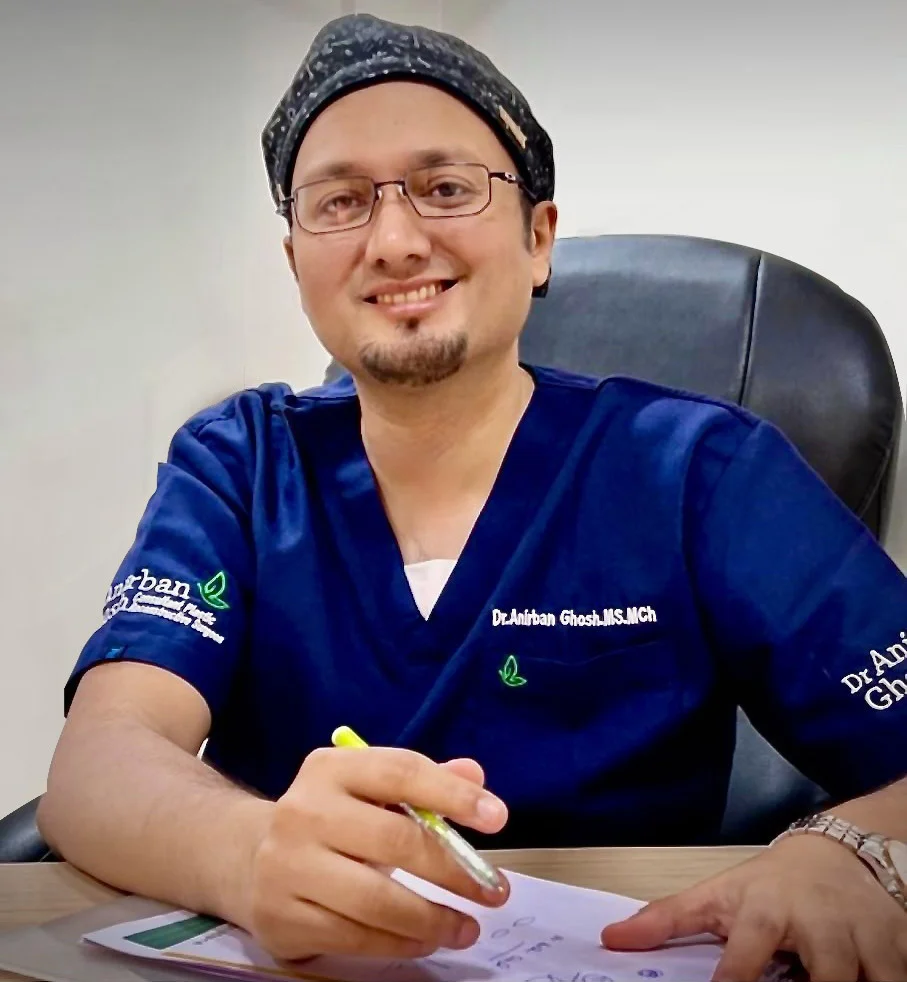
Know from Dr. Anirban Ghosh, a plastic surgeon in Kolkata, why your jawline loses firmness in your late 20s and how fat grafting surgery restores balanced contour.
What Causes a Soft Jawline in Your 20s?
A soft jawline in your 20s is often caused by early fat loss, reduced collagen production, genetics, and lifestyle factors like stress, poor sleep, or screen-heavy habits. These changes can subtly weaken facial structure even before visible ageing begins.
This doesn’t happen overnight—several subtle factors work together behind the scenes. Check them out.
1. Facial Fat Shifts Naturally During Your 20s
Facial fat remains distributed across structured layers that maintain your natural contour and youthful appearance throughout the early years. As you approach your late 20s, these layers begin to shift downward due to natural ageing and lifestyle factors. This gradual downward movement increases fullness near the jaw, reduces cheek support, and creates a softer overall jawline appearance.
2. Bone Structure Changes Affect Early Jawline Definition
Facial bone remodelling continues throughout adulthood, with the lower jaw experiencing slow structural changes even as early as your mid-20s. These subtle bone shifts alter the jaw angle, reduce lower face projection, and make the jawline look softer than before. Even though these changes happen gradually, they significantly influence your facial definition.
3. Genetics Strongly Influence Jawline Shape and Softening
Your genetics play a powerful role in determining fat distribution, jaw width, bone density, and facial proportions. You may notice early jawline softening even when you maintain a healthy lifestyle, primarily because your inherited facial structure may naturally store more fat along the lower face. Genetics often explains why some individuals see changes earlier than others despite similar routines.
4. Early Collagen Loss Weakens Skin Support Around the Jawline
Collagen production gradually slows from your mid-20s, reducing your skin’s natural firmness and elasticity. Lower collagen levels weaken the support system under your jawline, allowing the skin to lose grip over deeper structures. This creates a softer, rounder, and sometimes droopy appearance around the lower face earlier than expected.
5. Lifestyle Factors Speed Up Jawline Softening
Several lifestyle habits accelerate jawline softening by affecting fat behaviour, collagen quality, and posture. The most common factors include limited hydration, high stress, inadequate sleep, rapid weight changes, excessive sugar intake, and long screen time, all of which affect neck posture. These factors work together and increase early jawline roundness or fullness.
If you notice early jawline softening and want to know whether fat grafting is right for you, schedule a one‑to‑one consultation at Anirvana Clinic.
Can Creams or Jawline Workouts Truly Reshape Facial Structure?
Jawline exercises and topical creams often fail to produce visible improvements because they cannot alter the deeper structural changes underlying the jawline. Exercises cannot reposition fat pads or provide structural support, while creams cannot reverse bone changes or restore deeper volume. Early jawline softening requires precise structural correction, which fat grafting achieves more effectively.
Can a Facial Fat Grafting Fix a Weak Jawline Without Implants?
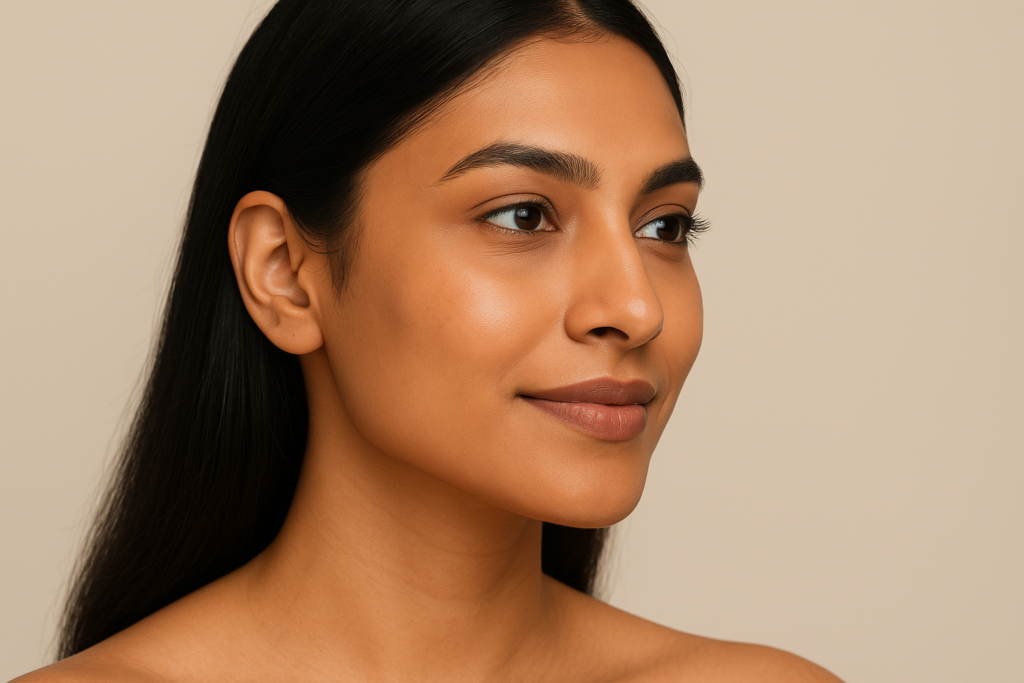
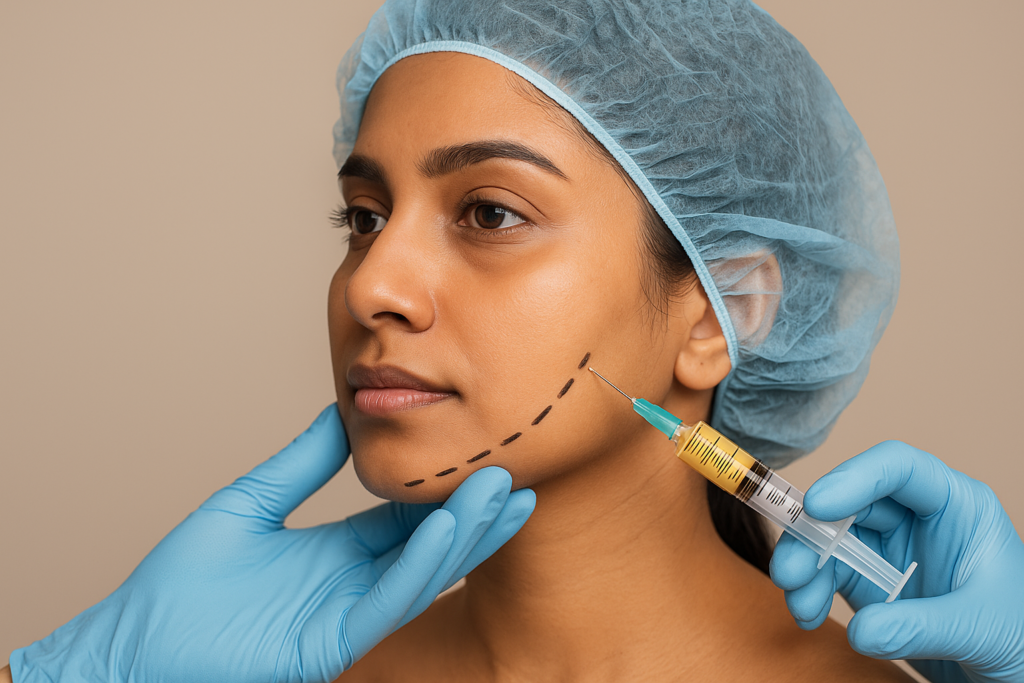
Yes, facial fat grafting can improve a weak jawline by restoring lost volume and definition using your own body fat, without the need for implants. When placed precisely, it enhances contour naturally while keeping the jawline soft, balanced, and real-looking.
Here, we have provided a clear explanation of the fat grafting procedure.
Step 1: Fat Harvesting Through a Gentle Process
The surgeon extracts a small quantity of fat from areas such as the abdomen or thighs through a minimally invasive method. This fat serves as the natural filler that enhances your jawline and restores lost structural support.
Step 2: Fat Purification Ensures High-Quality Fat Cells
The extracted fat undergoes purification to separate healthy fat cells from excess fluids and impurities. Only the highest-quality fat cells are reinjected, which improves long-term survival and helps create smooth, natural results.
Step 3: Strategic Fat Injection Restores Facial Support
The surgeon injects purified fat into specific regions of the jawline, cheeks, and lower face, tailored to your unique proportions. This balanced placement sharpens the jawline, supports sagging areas, and enhances overall symmetry without relying on synthetic fillers.
Step 4: Final Sculpting Ensures Precise Facial Contour
The surgeon then sculpts the treated areas to refine shape, improve matching on both sides, and achieve a natural and harmonious outcome. This careful final shaping ensures that your results appear subtle, balanced, and youthful.
Why Does Fat Grafting Work Better for Early Jawline Softening?
Fat grafting offers several advantages for individuals experiencing early jawline changes, as it restores the structural support that contributes to a softened look.
Know the major benefits:
- Natural-looking enhancement
- Long-term improvement with stable volume retention
- Balanced enhancement of the lower face
- Suitable for early ageing
Ready to explore jawline fat grafting? Click here to book your consultation with Dr Anirban Ghosh or call 062891 09687.
How Do You Know if Fat Grafting is Right for Your Jawline?
You may consider fat grafting when you notice early jawline softening or when your lower face begins losing definition. Common signs when you must consider this procedure are:
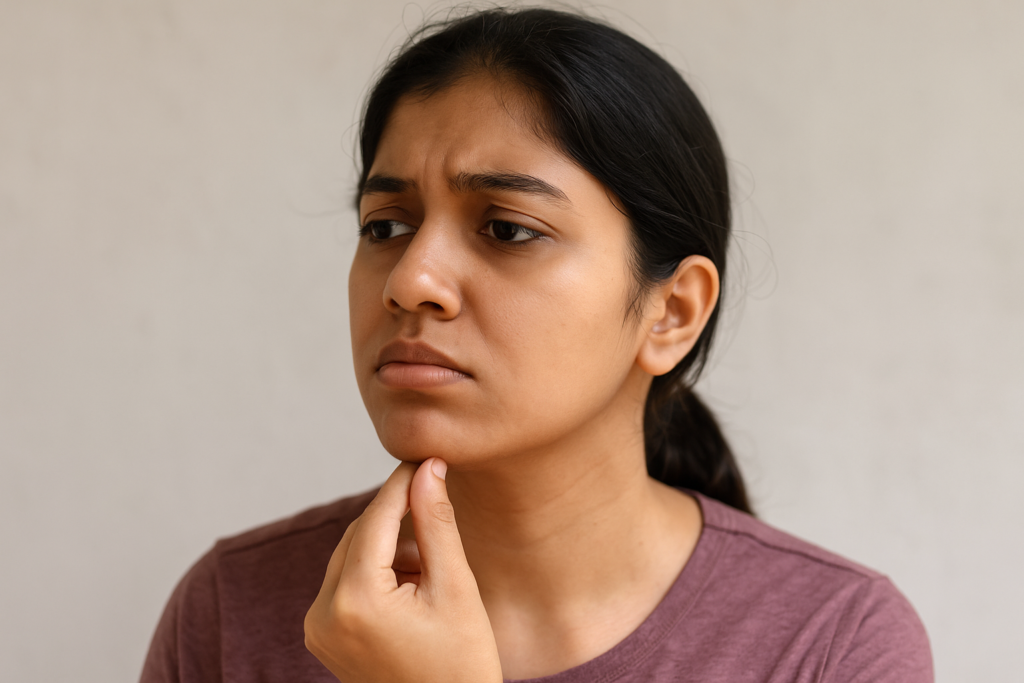
• Roundness or puffiness along the jawline
• Flat or hollow cheeks reduce facial lift
• A tired facial appearance despite adequate rest
• Sagging or droopiness from early collagen loss
• Reduced facial sharpness after weight loss
• A desire for natural and long-lasting enhancement
Facial fat grafting for jawline softening may not be suitable for individuals with significant skin laxity or heavy fat accumulation in the jaw area. It is also not ideal for those seeking dramatic, sharp angles better achieved through implants or other structural procedures.
Jawline Softening vs Jawline Fat Accumulation
Jawline softening happens due to volume loss, reduced collagen, or bone support, making the jawline look less defined. Jawline fat accumulation, on the other hand, is caused by excess fat or weight changes that add fullness and blur the contour. Here is a clear comparison:
| Issue | Cause | Appearance | Treatment |
| Jawline Softening | Fat shift + collagen drop | Round, soft jawline | Fat grafting |
| Jawline Fat | Weight gain + genetics | Puffy lower face | Fat reduction |
Fat grafting corrects jawline softening by restoring lost structure, which differs from procedures that target excess fat.
What Makes Anirvana Clinic the Best Choice for Non-Implant Jawline Enhancement?
Anirvana Clinic provides advanced facial fat grafting treatments focusing on precision, safety, and natural results. The clinic uses advanced fat-processing systems and detailed planning to ensure contour accuracy. Their experienced team studies your facial structure carefully and designs a personalised approach that enhances your natural proportions.
Dr Anirban Ghosh leads the procedure with expertise and focuses on achieving subtle, balanced, and youthful improvements. The clinic also offers chin contouring, cheek enhancement, jawline refinement, and other facial sculpting treatments that complement fat grafting results.
How Long Do Jawline Fat Grafting Results Last?
Most individuals notice visible improvements once the initial swelling reduces during recovery. The jawline appears sharper, the cheeks look more lifted, and the overall facial structure looks balanced and youthful. Once the fat settles completely, the results feel natural, stable, and long-lasting.
What to Expect During Jawline Fat Transfer Recovery?
Recovery remains comfortable for most patients with only mild swelling that improves steadily over one to two weeks. Most individuals resume normal activities within a few days. Final results usually appear within two to three months once the fat integrates fully. The surgeon guides you carefully throughout your recovery period.
How to Choose the Right Specialist for Fat Grafting?
Fat grafting demands proper planning, refined injection techniques, and strong aesthetic judgement. Dr. Anirban Ghosh, an experienced plastic surgeon in Kolkata, ensures correct fat placement, balanced shaping, minimal risk, and long-lasting results. Choosing the right specialist directly affects safety, recovery, and final outcomes.
A Better Approach to Early Jawline Ageing
Early jawline softening does not indicate poor habits or health. It reflects natural facial changes influenced by genetics, collagen decline, and fat movement. Fat grafting addresses these structural issues directly and offers a natural, long-term solution that restores youthful definition.
Your Next Step Toward a Defined Jawline
If you want a clear understanding of your jawline concerns, a personalised facial assessment by Dr. Anirban Ghosh, a reputed plastic surgeon, helps you understand suitable options. Anirvana Clinic offers professional evaluation, advanced procedures, and supportive care throughout your journey.
Restore Jawline Definition with Trusted Expertise
Book your jawline assessment at Anirvana Clinic today with Dr. Anirban Ghosh, a plastic surgeon in Kolkata, and discuss a personalised fat grafting plan for your facial structure.
People Also Ask
1. Why does your jawline sag so early in your 20s?
Early jawline sagging occurs due to fat shifts, collagen loss, bone changes, and genetics.
2. Does fat grafting create natural results for jawline enhancement?
Yes, fat grafting uses your own fat, allowing for a very natural and balanced jawline definition.
3. Is fat grafting better than fillers for long-term jawline structure?
Yes, fat grafting offers longer-lasting structural support compared to temporary fillers.
4. How painful is fat grafting for the jawline?
Fat grafting remains comfortable with proper anaesthesia, usually causing mild swelling rather than significant pain.
5. How long do jawline fat grafting results last?
A large percentage of the injected fat survives permanently, offering long-term contour stability.