
Aesthetic changes often begin with one small thought: “What if I could feel more confident in my own skin?”
For some, it is about reshaping the nose. For others, it may be correcting loose skin, reducing stubborn fat, improving facial balance, or restoring confidence after childbirth, ageing, or weight loss.
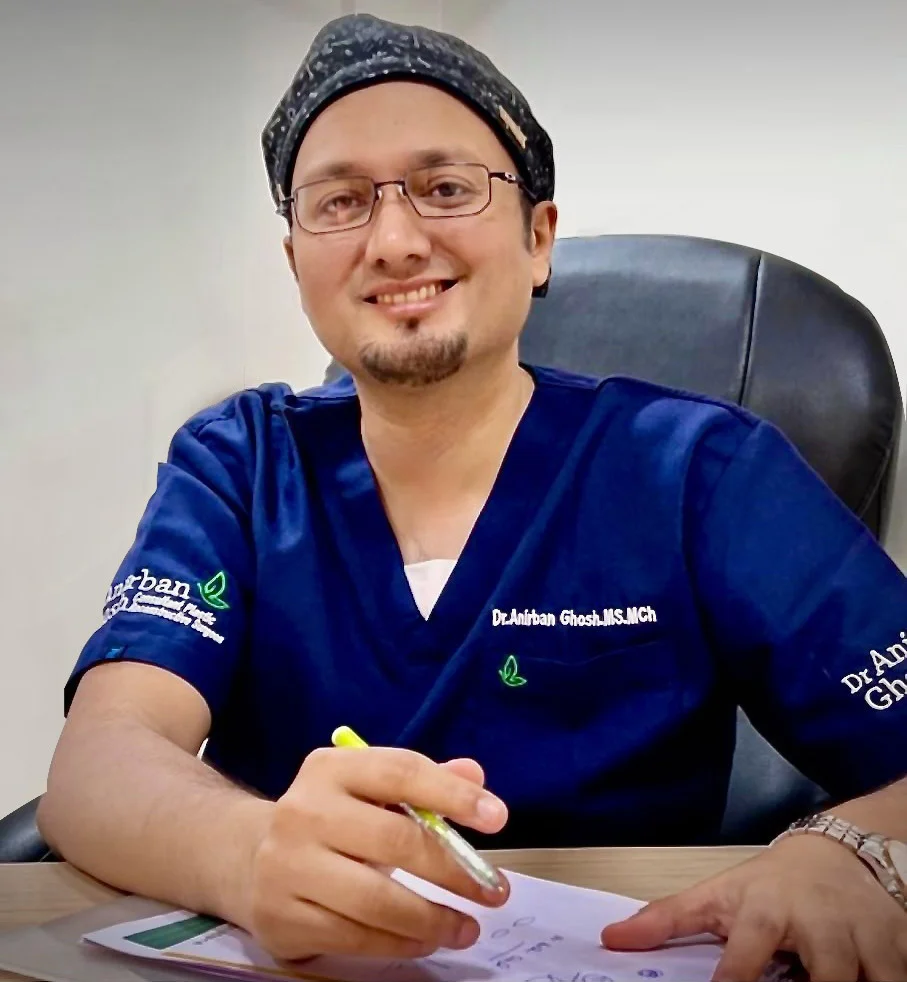
If you are planning to consult a plastic surgeon in Kolkata, Dr Anirban Ghosh at Anirvana Clinic can help you understand your options, risks, recovery, and realistic outcomes before you make a decision.
Plastic Surgery Is Not Just About Looking “Better”
Plastic surgery can improve appearance, restore function, correct deformities, and boost confidence. But here is the honest truth: regret often comes when people rush into it without knowing the full picture.
Research shows that unmet expectations are one of the common reasons people feel unhappy after a procedure.
So, before you say “yes” to surgery, know these 10 things.
What People Wish They Knew Earlier
| What People Regret Not Knowing | Why It Matters |
| Results are not instant | Swelling and healing take time |
| Every surgery has risks | Consent and safety matter |
| “Perfect” is not realistic | Natural improvement is the goal |
| Recovery affects daily life | Work, sleep, travel, and exercise may pause |
| Cheap surgery can cost more later | Revision surgery can be harder |
| Mental readiness matters | Body image concerns need honest discussion |
| Scars are part of surgery | They fade but may not vanish fully |
| Maintenance may be needed | Some results change with age |
| Surgeon choice is crucial | Training, experience, and communication matter |
| Questions are not embarrassing | A good surgeon expects them |
1. Your Expectations Decide Your Satisfaction

Plastic surgery is not magic. It is medicine plus skill plus healing. If you expect a refreshed, balanced, or improved version of yourself, you are on the right track. If you expect to look like a celebrity filtered through three apps, pause.
Good consultation should include your goals, facial/body structure, medical history, and what can realistically be achieved.
2. Recovery Is Not a Weekend Picnic
Many people focus only on the surgery day. Big mistake. Recovery is where the real patience test begins.
You may experience:
- Swelling
- Bruising
- Tightness
- Mild pain
- Temporary numbness
- Restricted movement
Some procedures need days of rest. Others need weeks before full comfort returns. Your doctor will guide you on sleep position, wound care, medicines, and follow-ups.
3. Every Procedure Has Risks
Even common cosmetic procedures carry risks. These may include infection, bleeding, scarring, delayed healing, asymmetry, anaesthesia-related issues, or dissatisfaction with results.
The American Society of Plastic Surgeons clearly states that patients should understand risks and potential complications before signing consent forms. (Source)
Don’t just sign papers. Read them. Ask questions. Be that “annoying” patient. Honestly, that patient is usually the smartest one.
4. Mental Readiness Is a Big Deal
Plastic surgery can change appearance, but it cannot fix every insecurity. People with body dysmorphic disorder may remain dissatisfied even after surgery. Reviews on aesthetic surgery and body dysmorphic disorder show poorer outcomes in such patients.
Before surgery, ask yourself:
- Am I doing this for myself?
- Do I understand the limitations?
- Am I emotionally ready for swelling and healing?
- Am I expecting life to change overnight?
Honest answers save future regret.
5. The Cheapest Option Is Not Always Safe
Plastic surgery is not the place for bargain hunting. This is your face, body, health, and confidence.
Low-cost procedures may cut corners in safety, facility quality, anaesthesia support, or post-operative care. Revision surgeries can be more complicated and expensive.
When choosing a plastic surgeon, look at qualifications, experience, consultation quality, safety protocols, clinic setup, and aftercare—not just price.
6. Scars Are Normal
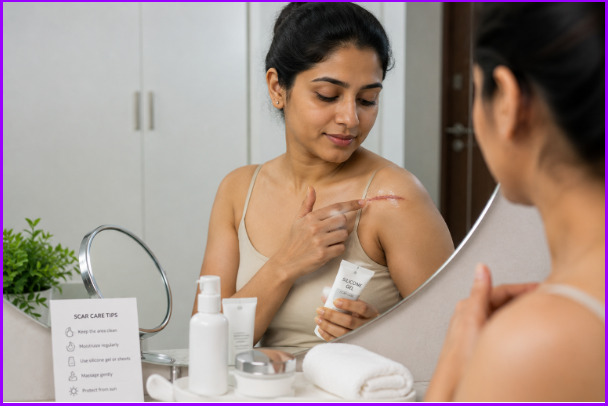
Any surgery that involves cuts may leave scars. Skilled plastic surgeons place incisions carefully and guide scar care, but scars do not disappear quickly.
Over time, many scars fade. However, scar appearance depends on:
- Skin type
- Genetics
- Procedure type
- Wound care
- Sun exposure
- Smoking status
- Healing response
So yes, scar care is part of the result.
7. Your Health History Matters More Than You Think
During consultation, tell your doctor everything. No hiding, no “I forgot”, no “it’s probably not important”.
Mention:
- Diabetes
- Thyroid issues
- Blood pressure
- Heart disease
- Allergies
- Past surgeries
- Smoking or alcohol habits
- Current medicines
- Supplements
- Previous cosmetic treatments
This helps your surgeon plan safely. Shared decision-making and expectation assessment are considered useful in plastic surgery consultations.
8. Some Results Need Maintenance
Not all procedures are permanent in the same way. Ageing continues. Weight changes happen. Skin elasticity changes. Gravity also remains deeply committed to its job.
For example:
- Fillers need repeat sessions.
- Implants may need monitoring.
- Skin tightening may need maintenance.
- Body contouring results depend on lifestyle.
For instance, breast implants are not lifetime devices and may involve future complications or additional surgery.
9. Before-After Photos Can Mislead You
Before-after pictures are useful, but they are not a guarantee. Lighting, angles, swelling stage, makeup, editing, and body type can change perception.
Use photos to understand possibilities, not promises.
Ask your surgeon:
- Is this result possible for my case?
- How long will swelling last?
- What will look natural on me?
- What are the limitations?
- What happens if I am not satisfied?
10. Post-Surgery Care Can Make or Break Results
Surgery is not over when you leave the clinic. Aftercare is serious business.
Follow instructions on:
- Medicines
- Cleaning the wound
- Compression garments
- Diet
- Sleep position
- Avoiding heavy activity
- Follow-up visits
- Warning signs
Questions to Ask Before Plastic Surgery
Here are smart questions to carry into your consultation:
- Am I a good candidate for this procedure?
- What results can I realistically expect?
- What are the risks?
- How long is recovery?
- Will there be scars?
- What type of anaesthesia will be used?
- When can I return to work?
- What happens if I need revision?
- How many follow-ups are needed?
- What should I avoid before and after surgery?
Your New Look Should Come With Peace of Mind
Plastic surgery can be empowering when done for the right reasons, with the right guidance, and with realistic expectations. The goal is not to chase perfection. The goal is to make a safe, informed, confident choice.
If you are considering cosmetic or reconstructive procedures, reach out to Dr Anirban Ghosh at Anirvana Clinic, a trusted plastic surgeon in Kolkata, to understand your options, safety measures, recovery plan, and expected results before taking the next step.
Schedule an appointment today.
People Also Ask
- What should I know before getting plastic surgery?
You should understand the procedure, recovery time, risks, expected results, and long-term care before making a decision. A detailed consultation helps set realistic expectations and improves satisfaction after surgery.
- What are the risks of plastic surgery?
Plastic surgery may involve risks such as infection, scarring, swelling, bleeding, or uneven results depending on the procedure. Choosing an experienced surgeon and following aftercare instructions can reduce complications.
- How do I choose the right plastic surgeon?
Look for a qualified and experienced surgeon with proper credentials, transparent communication, and genuine patient reviews. Always choose safety, expertise, and trust over low-cost offers.
- How long does it take to recover from plastic surgery?
Recovery depends on the type of procedure, your health condition, and how well your body heals. Some treatments may need a few days, while major surgeries can take several weeks for complete recovery.
- What questions should I ask before plastic surgery?
Ask about the surgeon’s experience, risks, recovery timeline, expected results, scars, and post-surgery care. Clear communication before surgery helps avoid confusion and unrealistic expectations later.