Fat grafting has become a popular choice for people looking to restore lost volume and enhance their appearance while maintaining a natural look. Unlike procedures that use artificial materials, fat grafting uses your own body fat to improve contours and balance facial or body features.
The reason many patients appreciate fat grafting results is that the outcome feels more natural and personalised. This approach, often known as natural-looking fat transfer, focuses on restoring harmony rather than creating an overdone appearance.
What Makes Fat Grafting Different From Implants?
One of the biggest differences between fat grafting and implants is the source of the material used for enhancement. In fat grafting, fat is collected from one area of your body, processed, and carefully transferred to another area. This technique is called autologous fat transfer because it uses your own tissues.
When comparing fat transfer vs implants, implants provide a fixed volume using synthetic materials, while fat grafting allows a surgeon to sculpt and refine areas with your natural fat. The transferred fat integrates with existing tissues, which can create a softer feel and a more natural transition.
For example, procedures like breast augmentation may involve implants, but some patients prefer fat grafting because it can provide subtle enhancement along with body contouring through fat removal. Similarly, breast implants may offer predictable volume, but fat grafting can be suitable for those seeking a more natural texture and appearance.
The Biology Behind a Natural Result
The science behind fat grafting is one of the key reasons it can produce natural outcomes. During the procedure, fat cells are carefully transferred into areas where additional volume is needed. Once placed, some of these fat cells establish a new blood supply and become a living part of the treated area.
The fat graft survival rate depends on several factors, including the quality of harvested fat, the processing method, the injection technique, and the body’s healing response. A skilled surgeon focuses on preserving healthy fat cells so that a stable amount of transferred fat can survive long-term.
As the transferred tissue behaves like natural fat, it can age with the rest of your body. This helps avoid a sudden or artificial change in appearance. Over time, the treated area maintains a natural movement and softness, which is one of the reasons why patients choose this procedure for long-lasting enhancement.
The Surgeon’s Role — Why Technique Decides the Outcome
Although fat grafting uses your own body tissue, the final result depends greatly on surgical expertise. Creating a natural appearance requires careful planning, understanding of facial or body anatomy, and precise handling of fat cells.
A surgeon must consider factors such as your existing contours, skin quality, volume loss, and aesthetic goals before deciding how much fat should be transferred. Too little fat may not create the desired improvement, while excessive fat placement can affect symmetry and natural appearance.
How Fat Is Harvested and Purified
The first step involves collecting fat from suitable areas through a technique similar to liposuction. Common donor areas include the abdomen, thighs, or hips. During the process, the harvested fat is purified to remove unwanted fluids and damaged cells.
In facial procedures, facial fat grafting requires extra precision because the face has delicate structures and smaller areas that need restoration. The quality of the purified fat plays an important role in achieving smooth and natural-looking results.
Why Layered, Micro-Injection Placement Matters
Fat cannot simply be placed in one large amount and expected to heal evenly. Surgeons use small amounts of fat placed in multiple layers to encourage better integration with surrounding tissues.
This detailed approach is especially important during volume restoration surgery, where the goal is not just adding volume but recreating natural shape, balance, and proportion. Precise placement helps achieve smoother contours and reduces the risk of irregularities.
Where Fat Grafting Restores Volume Naturally
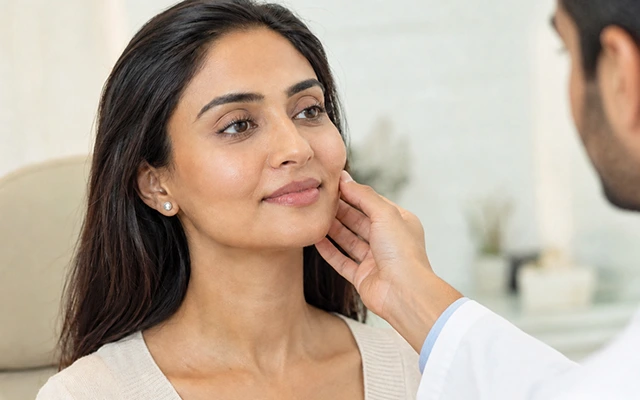
Fat grafting can be used in different areas where volume loss or contour changes have occurred. Facial areas commonly treated include the cheeks, under-eye region, temples, and lips, helping restore youthful fullness without changing natural expressions.
For body enhancement, fat grafting uses transferred fat to improve shape and proportion. Instead of using artificial fillers or implants, the procedure uses the patient’s own fat to create a more natural contour.
Many patients choose fat grafting procedures because they want improvement that complements their existing features rather than making them look noticeably different.
What Can Affect How Natural the Results Look?
Several factors influence whether fat grafting produces a smooth and natural result. The surgeon’s technique, the quality of transferred fat, and the patient’s healing process all contribute to the final appearance.
One important concern is fat necrosis and asymmetry. Fat necrosis occurs when some transferred fat cells do not receive enough blood supply and break down. This can sometimes lead to firmness, small lumps, or unevenness. Proper fat preparation and careful placement help minimise these risks.
Other factors include significant weight changes, smoking, medical conditions, and individual differences in healing. Following post-procedure instructions and maintaining a stable lifestyle can support better results.
What to Expect: Realistic Timeline to a Natural Look
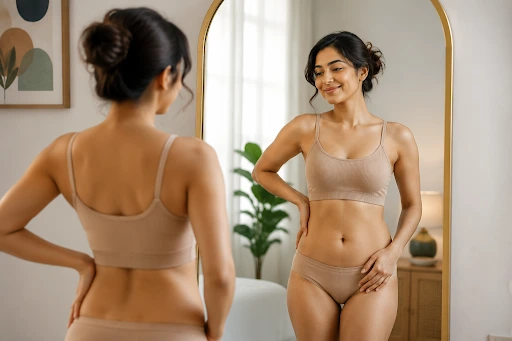
Fat grafting results are not immediately final because the body needs time to heal and adapt. In the initial weeks, some swelling and temporary changes are normal. The treated area may appear fuller than expected before settling into a more natural shape.
As healing progresses, the surviving fat cells integrate with surrounding tissues. Most patients notice gradual improvement over several months. The final fat grafting results become clearer once swelling reduces and the transferred fat stabilises.
Patience is important because the goal is not just immediate volume but a balanced and natural long-term outcome.
Is Fat Grafting Right for You?
Fat grafting can be a suitable option for individuals who want subtle enhancement, improved contours, and results that feel natural. Ideal candidates usually have enough donor fat available and realistic expectations about the procedure.
Those considering fat grafting should understand that every person’s anatomy and goals are different. A detailed consultation helps determine whether fat grafting, implants, or another procedure is the right approach.
I always recommend discussing your concerns, desired outcomes, and options with an experienced plastic surgeon before deciding. A personalised evaluation helps create a treatment plan designed around your unique features.
Questions to Ask Your Surgeon Before You Decide
Before undergoing fat grafting, it is important to ask the right questions during your consultation. You can discuss:
- How much fat is expected to survive after the procedure?
- What technique will be used for fat harvesting and placement?
- What results can realistically be achieved?
- How will possible complications be managed?
- Can you see a before & after gallery of similar procedures?
Understanding the process helps you make a confident and informed choice.
Getting a Natural-looking Result
The beauty of fat grafting lies in its ability to restore rather than replace. By using your own tissue and applying precise techniques, surgeons can create improvements that maintain your natural identity. The best results are those where people notice that you look refreshed, not that you have had surgery.
If you are considering a personalised approach to restore volume and enhance your appearance, I can help you understand whether fat grafting is suitable for your goals. I believe choosing the right plastic surgeon is the first step towards achieving safe, natural, and balanced results.
To know more, you can schedule a consultation with me in Kolkata today.
People Also Ask
1. Why do fat grafting results look more natural than implants?
Fat grafting results often look natural because the procedure uses your own fat tissue instead of an artificial material. The transferred fat blends with existing tissues, creating softer contours, natural movement, and a more personalised appearance. Implants can provide defined volume, but fat grafting focuses on restoring balance using your body’s own tissues.
2. How long does it take for fat grafting results to look final?
Fat grafting results usually develop gradually as swelling decreases and the transferred fat settles. While early improvements may be visible within a few weeks, the final outcome is generally clearer after several months when the surviving fat cells become stable.
3. Can fat grafting results look uneven or lumpy?
In some cases, temporary unevenness, swelling, or small lumps may occur during the healing period. Factors such as fat processing, placement technique, and healing response can influence the outcome. Choosing an experienced surgeon and following aftercare instructions can help reduce the chances of irregularities.
4. Does the transferred fat feel different from natural tissue?
Once the transferred fat successfully integrates with the surrounding tissues, it generally feels similar to natural fat. Since the procedure uses your own tissue, the treated area can maintain a soft and natural texture over time.
5. How much of the transferred fat actually survives long-term?
The amount of fat that survives varies from person to person. The fat graft survival rate depends on factors such as harvesting technique, fat processing, placement method, and individual healing ability. A surgeon’s experience plays an important role in maximising long-term fat survival.