
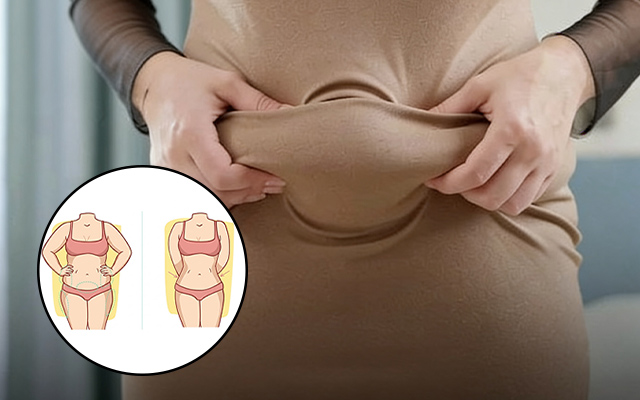
Liposuction can feel like a fresh start. The stubborn fat pockets that refused to leave despite dieting, workouts, lemon water, green tea, and every “miracle” hack on the internet finally get addressed. But here is the honest bit: liposuction reshapes specific areas, but your long-term results depend heavily on how you care for your body afterwards.
If you are planning body contouring with a liposuction doctor in Kolkata, Dr Anirban Ghosh at Anirvana Clinic offers guidance that goes beyond the surgery itself. He helps patients understand recovery, lifestyle changes, and result maintenance from a practical point of view.
So, how do you protect your results without turning your life into a punishment plan? Let’s break it down.
Why Do Liposuction Results Need Maintenance?
Liposuction removes fat cells from selected areas of the body. However, it does not stop future weight gain. If you gain significant weight after surgery, untreated areas may store more fat, and even treated areas can change because remaining fat cells can enlarge.
A study on long-term liposuction success found that patients who maintained weight after liposuction were more likely to report healthier lifestyle habits.
1. Keep Your Weight Stable, Not “Perfect”
Let’s start with the biggest one. You do not need to chase a celebrity body or survive on cucumber slices. You need weight stability.
After liposuction, treated areas have fewer fat cells. That sounds exciting, and it is. But your body still has fat cells in other areas. If your weight increases significantly, those cells can expand. This may change your overall shape and reduce the visible effect of the procedure.
Plastic surgeons usually state that results are long-lasting when patients maintain stable weight and general fitness.
Easy ways to maintain weight
Weigh yourself once a week or once every two weeks. Do not check five times a day like your weighing scale owes you money. Track patterns, not panic moments.
Also, avoid extreme diets. Crash dieting often leads to binge eating, low energy, and weight rebound. A slow, steady routine works better for long-term maintenance.
2. Eat Like a Normal Human

Food plays a major role in maintaining liposuction results. But here is where people go wrong: they think they need to eat “clean” all the time. Then one slice of cake happens, guilt enters, and suddenly the whole plan collapses.
Please relax. One dessert will not ruin your liposuction results. Daily habits matter more than occasional treats.
What should your plate look like?
A simple maintenance-friendly plate should include:
● Protein for muscle repair and fullness
● Fibre-rich vegetables for digestion
● Whole grains or healthy carbohydrates for energy
● Healthy fats in controlled portions
● Enough water throughout the day
Protein is especially useful because it helps you feel full and supports muscle maintenance.
Good options include eggs, fish, chicken, paneer, dal, curd, tofu, sprouts, and beans.
3. Move Your Body Regularly After Recovery

Exercise is one of the strongest tools for long-term result maintenance. But no, you should not run to the gym two days after surgery.
You must wait for your doctor’s clearance before restarting exercise. In the early recovery phase, light walking is usually encouraged because it supports circulation and reduces stiffness. More intense activity should begin only when your surgeon approves it.
What type of exercise helps?
Once cleared by your doctor, aim for a mix of:
- Walking
- Strength training
- Core strengthening
- Stretching
- Low-impact cardio
- Yoga or Pilates
Strength training is especially helpful because muscle supports better body composition. It helps your body look more toned, not just smaller.
4. Follow Post-Surgery Instructions Like They Actually Matter
Many people think the only important part is the surgery. But recovery plays a huge role in how your final contour appears. Swelling, bruising, fluid retention, and tissue healing can affect how your body looks in the first few weeks or months.
Common post-surgery instructions may include:
● Wearing compression garments
● Attending follow-up visits
● Taking prescribed medicines
● Avoiding heavy exercise initially
● Keeping incision areas clean
● Watching for unusual swelling, fever, redness, or discharge
5. Build Habits You Can Actually Continue
Many people become extremely disciplined right after liposuction. They drink water, eat salads, walk daily, avoid junk, and sleep early.
Then after three months, life happens. Work pressure. Family functions. Late nights. Stress eating. Missed workouts. And slowly, old habits sneak back in wearing sunglasses.
The goal is not to become perfect. The goal is to create a lifestyle that feels realistic.
Build a routine around your actual life
● If you hate morning workouts, do not force them. Exercise in the evening.
● If you cannot cook elaborate meals, keep simple protein options ready.
● If you snack at work, carry healthier snacks.
● If weekends ruin your progress, plan one indulgent meal instead of two full cheat days.
What Should You Avoid After Liposuction?
To protect your results, avoid rapid weight gain, crash dieting, smoking, heavy alcohol intake, skipping follow-ups, and returning to intense workouts before medical clearance. These habits can affect healing, weight stability, and your final body contour.
Also, do not compare your results too early. Swelling takes time. Final results develop gradually.
How Long Do Liposuction Results Last?
Liposuction results can be long-lasting if you maintain a stable weight and healthy lifestyle. The fat cells removed during liposuction do not usually return in the treated area. However, remaining fat cells can still enlarge if you gain weight.
So, the honest answer is: your results can last for years, but your habits decide how well they age.
Can Fat Come Back After Liposuction?
The removed fat cells are gone from the treated area. But fat can still accumulate in remaining fat cells. If a person gains significant weight, the body may store fat in untreated areas or change the overall contour. This is why liposuction should be viewed as body contouring, not weight-loss surgery.
Who Gets the Best Long-Term Results After Liposuction?
People who usually maintain the best long-term results are those who:
● Stay close to their ideal weight
● Follow recovery instructions
● Exercise regularly after healing
● Eat balanced meals
● Avoid major weight fluctuations
● Have realistic expectations
● Choose an experienced plastic surgeon
Your Results Deserve Maintenance
Liposuction can beautifully reshape stubborn areas, but long-term success depends on what happens after surgery.
If you are considering body contouring with a liposuction doctor in Kolkata, Dr Anirban Ghosh at Anirvana Clinic can help you understand whether liposuction is right for you, what results to expect, and how to maintain those results safely over time.
Book a consultation today.
People Also Ask
1. Is liposuction a weight-loss surgery?
No. Liposuction is a body contouring procedure. It removes localised fat deposits but does not replace weight-loss methods like diet, exercise, or medical weight management.
2. When can I exercise after liposuction?
Light walking may begin early, depending on your surgeon’s advice. However, gym workouts, running, and strength training should only restart after medical clearance.
3. Will I gain fat in other areas after liposuction?
If you gain significant weight after liposuction, untreated areas may store more fat. This is why weight stability is important.
4. How long does swelling last after liposuction?
Swelling can last several weeks, and final contour may take months to become fully visible. Healing varies from person to person.
5. What is the best diet after liposuction?
A balanced diet with protein, vegetables, fibre, whole grains, healthy fats, and enough water is best. Avoid frequent processed foods, sugary drinks, and crash diets.