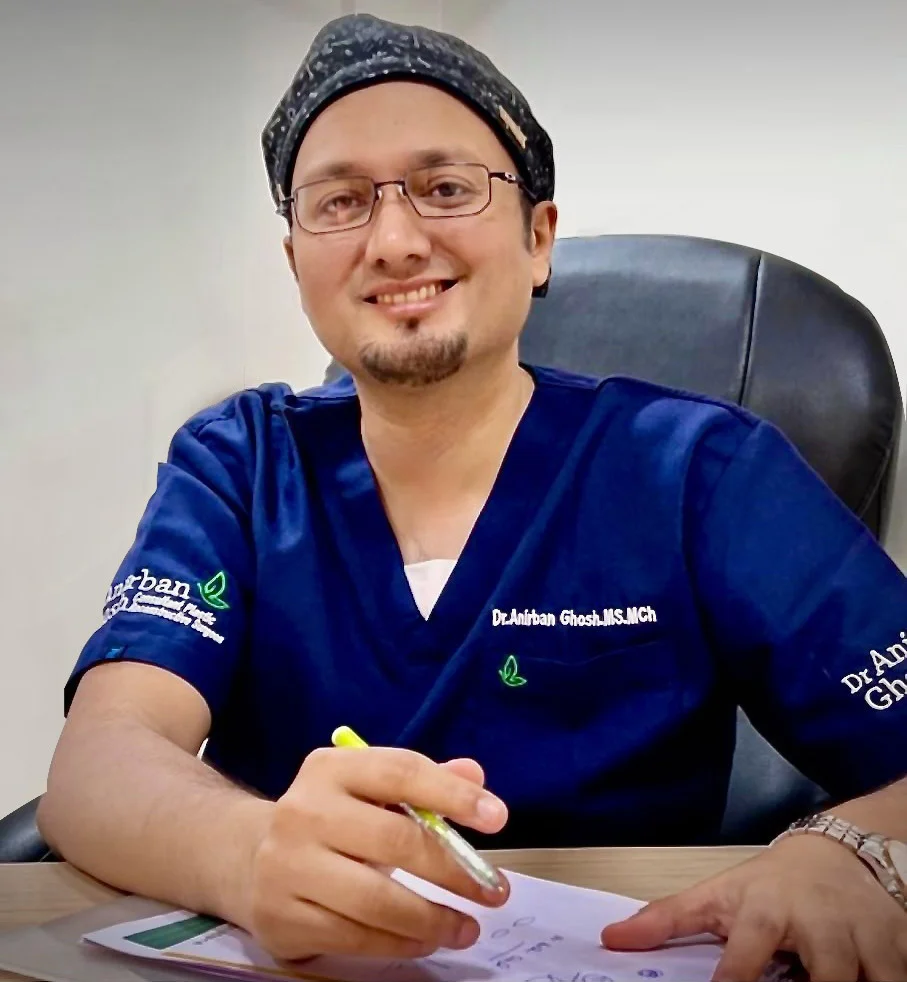

Are you thinking about getting an aesthetic procedure done? Maybe Botox, liposuction, or even a facelift? That’s awesome—who doesn’t want to look and feel their best? But before you jump into it, here’s a quick question: who is actually doing the procedure? Is it an experienced aesthetic surgeon or just some technician with a fancy title?
Now, I know it’s tempting to grab the first offer you see, especially with those "special promotions" flying around. But let me tell you something—who performs the procedure is way more important than the procedure itself.
So, let’s dive in and figure out why an aesthetic surgeon should be your go-to for those life-changing procedures.
Why “Who Performs the Procedure” Matters More Than the Procedure Itself
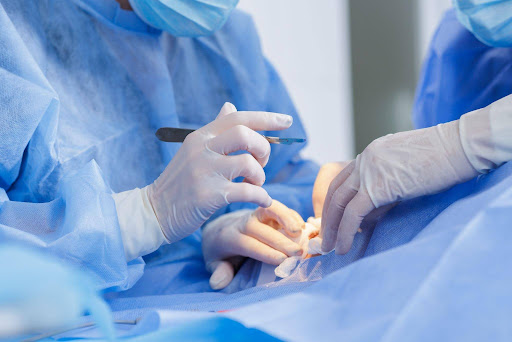
Here's the deal—complications don’t give you a heads-up. They don’t say, “Hey, I’m coming your way!” So, when something goes wrong, it’s better if the person handling it knows what to do. A technician might be skilled at some tasks, but when things go south, you need a surgeon. Why? Because surgeons are trained to deal with complications that no one expects.
The 3 Things a Qualified Surgeon/Doctor Is Trained For
What exactly does an aesthetic surgeon bring to the table that a technician doesn’t?
- Anatomy knowledge: Surgeons know the ultimate map of the human body. They know the muscles, nerves, and everything in between.
- Sterility: While some places might "clean up" quickly, surgeons follow strict sterile procedures. This means less chance of infection—something you definitely don’t want.
- Emergencies: Surgeons are trained to handle things that might go wrong. A technician? Not so much.
Consult Dr Anirban Ghosh, an aesthetic surgeon in Kolkata, at Anirvana Clinic for the best results.
Quick Rule of Thumb: Surgeon-Only vs Technician-Assisted
Alright, here’s a simple rule for you: if the procedure involves cutting, injecting, sedating, or using high-energy devices, it should only be done by a surgeon. Don’t take a chance on something that could mess with your health.
What Technicians Can Do Safely (Support Roles)
Technicians are the backbone of aesthetic clinics! They help prep you for the procedure, assist with basic tasks, and handle some non-invasive treatments. But when it comes to the heavy lifting—like the stuff that involves your body’s delicate tissues—that’s surgeon territory.
What Technicians Should Not Do
Technicians should NOT be performing:
- Injecting Botox or dermal fillers
- Performing liposuction or body contouring
- Using lasers or radio-frequency devices
Procedures That Should Be Surgeon-Only (High-Risk / Surgical)
Here are the high-risk, high-reward procedures that should never be left in the hands of anyone except a qualified aesthetic surgeon:
Liposuction and Body Contouring
Liposuction is one of those major procedures. It involves fat removal using a cannula (a small tube), and if done incorrectly, it can cause some serious issues, like fat embolism (fat entering your bloodstream). Scary, right?
What can go wrong? Uneven fat removal, skin dimpling, or worse—severe complications like blood clots. Your surgeon should be the only one handling this procedure.
Ideal Setup: A sterile surgical environment, with tools for fat removal and proper monitoring in place.
Rhinoplasty (Nose Surgery) and Facial Bone Reshaping
Nose jobs aren’t just about beauty—they’re about function too. You need an expert who understands facial anatomy. Missteps here can lead to breathing problems or wonky noses that look… well, off.
Misalignment or uneven results can lead to not just cosmetic issues, but functional ones like breathing difficulties.
Ideal Setup: A fully equipped operating room, proper anaesthesia, and a surgeon who knows the ins and outs of facial bones gives you the e
Blepharoplasty (Eyelid Surgery) and Brow Procedures
Eyelid surgery (blepharoplasty) and brow lifts sound simple, but one wrong move and you could end up with droopy eyelids or uneven brows. Trust me, you don’t want that.
Complications may include damage to delicate eye muscles, asymmetry, or even problems with eyelid closure.
Ideal Setup: A sterile environment with equipment designed for facial surgeries, along with proper anaesthesia.
Facelift and Any Procedure Involving Facial Nerves
Facial surgeries aren’t just about cosmetic changes—they affect facial nerves that control your expressions and movements. If these nerves are damaged, it could mess with your smile.
Make the right choice to steer clear of complications like nerve damage, facial asymmetry, or loss of facial muscle control.
Ideal Setup: A qualified surgeon and a sterile, fully equipped operating room, ready to handle complications if they arise.
Breast Augmentation/Reduction and Gynecomastia Surgery
Breast surgeries are more common than ever, but they involve intricate work on tissue, muscle, and skin. A surgeon’s expertise is a must.
Some complications may include- implant displacement, infection, or poor aesthetic results.
Ideal Setup: An operating room with sterile instruments, proper post-op care, and anaesthesia protocols.
Tummy Tuck and Other Major Excisional Surgeries
Tummy tucks and excisional surgeries remove excess skin and fat after weight loss or pregnancy. You need a skilled surgeon to ensure proper healing and minimal scarring.
Infection, improper healing, or visible scarring are among the things that can go wrong.
Ideal Setup: A doctor-led team in a fully equipped, sterile environment.
Make the best decision by booking a consultation at Anirvana Clinic with Dr Anirban Ghosh, a renowned aesthetic surgeon in Kolkata.
Procedures That Must Be Doctor-Led (Even If Marketed as “Non-Surgical”)
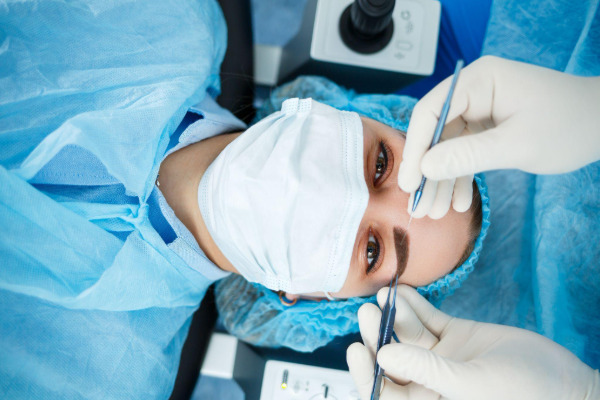
Non-surgical doesn’t mean “no risk.” Even those “easy” procedures like Botox and fillers need a professional’s touch.
Botox Injections
Botox isn’t just about “smoothing wrinkles”—it’s a precise medical procedure. The right dose and injection site are critical, and a poorly administered treatment can cause unintended effects, like drooping eyelids or facial paralysis.
Dermal Fillers
Injecting dermal fillers might seem like a minor procedure, but vascular occlusion is a risk—meaning blood vessels can get blocked, leading to tissue death or permanent scarring.
Thread Lift
Thread lifts may seem non-invasive, but they’re still medical procedures. If not done by a skilled surgeon, they can cause serious complications like nerve damage or infection.
Deep Chemical Peels
Medium or deep chemical peels go deeper into the skin and require proper aftercare. You definitely want a qualified aesthetic surgeon doing this.
Energy-Based Devices
Lasers and RF treatments involve high-energy devices that can burn or scar your skin if not used properly. Don’t take risks with someone who doesn’t have the training.
How to Check if You’re in a Doctor-Led, Properly Set-Up Clinic
Credential Checklist
- Verify the doctor’s registration
- Ask about their speciality training in aesthetic surgery
- Confirm their experience with the specific procedure you’re interested in
Facility Checklist
- Sterile protocols: Make sure the clinic follows strict hygiene practices.
- Crash cart and emergency protocols: Just in case something goes wrong, the clinic should be prepared.
Product Checklist
- Ensure all products are authentic, sealed, and from trusted suppliers.
Choose Skill + Safety Over Speed + Discounts
When it comes to aesthetic procedures, skill and safety should always be your top priority. Don’t let discounts or fast results tempt you into choosing the wrong clinic. Select Anirvana Clinic and achieve the best results.
Consult Dr Anirban Ghosh, an aesthetic surgeon in Kolkata, and get expert advice.
People Also Ask
1. Can a technician legally do Botox or Fillers?
No. Botox and dermal fillers should only be administered by licensed, trained doctors.
2. Is a thread lift safe if done in a salon/med-spa setup?
Not really. Thread lifts require surgical expertise—always go to a doctor-led clinic.
3. What should I ask during the consultation to confirm that the doctor will do the procedure?
Ask about credentials, experience, and who will actually perform the procedure.
4. What are the emergency complications—and how are they handled?
Find out if the clinic has a clear complication protocol and emergency procedures in place.