
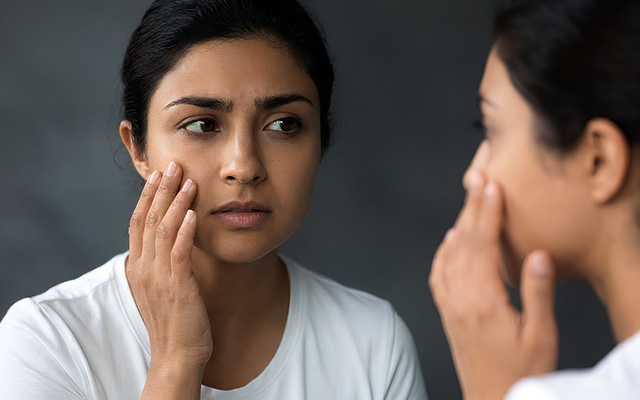
As the years add up, facial changes happen in gentle stages rather than sudden jumps. One of the most noticeable early shifts is a loss of volume beneath the skin, which can affect overall facial balance and definition without obvious wrinkles.
If you're in your late 20s or early 30s and notice a lack of definition in your facial features, it might be time for a change. Dr Anirban Ghosh, a renowned plastic surgeon from Anirvana Clinic, can help you understand and address this issue with expert solutions.
What is Facial Volume Loss?
Facial volume loss is the gradual loss of fat and tissue from facial areas, resulting in a hollow, sagging, or less-defined appearance. It typically starts in your late 20s or early 30s, but it can be more noticeable as you age. The face, particularly the cheeks, under eyes, and jawline, loses fullness and contour due to decreased collagen, elastin, and fat deposits.
Volume loss often happens gradually, so it’s easy to overlook. Yet, the results can be profound. You may notice that your once-full cheeks are looking more hollow, or that the skin around your jawline is becoming less tight. This can lead to sagging in places that once had natural definition.
What Causes Facial Volume Loss in the 20s?
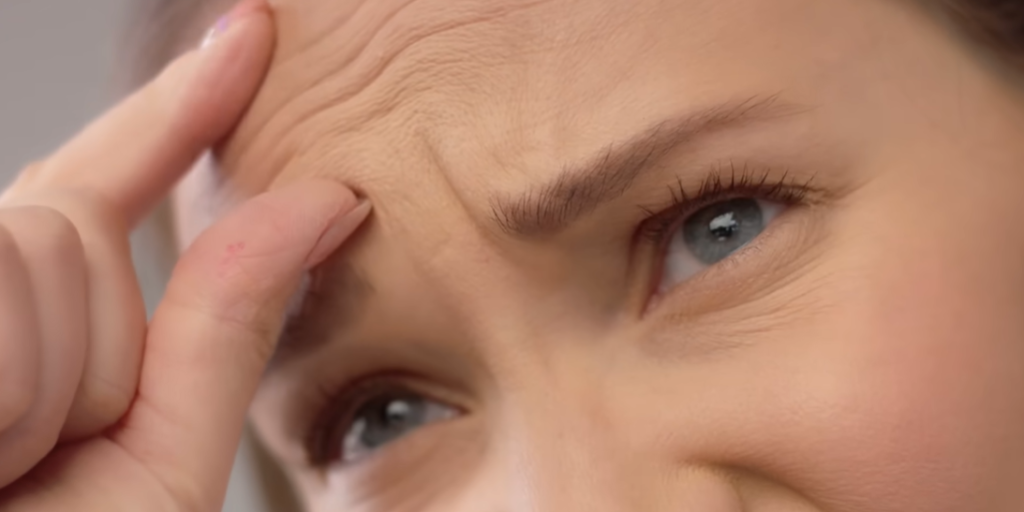
Facial volume loss in the 20s happens due to early collagen decline, genetics, hormonal changes, and natural fat redistribution in the face. Lifestyle factors like stress, lack of sleep, and weight fluctuations can speed up these changes.
Other factors that contribute to facial volume loss in the 20s are:
Loss of Fat Cells
Fat beneath the skin helps maintain its structure. Over time, these fat cells shrink or lose their firmness, contributing to hollow areas and sagging.
Decreased Bone Density
As you age, your bones also lose density, particularly in the face. This change can lead to a more sunken appearance, especially around the cheeks and jawline.
Sun Damage and Environmental Stressors
Exposure to the sun, pollution, and lifestyle choices such as smoking and a poor diet can accelerate volume loss. These factors weaken the skin's structure and speed up the ageing process.
Natural Ageing Process
Age itself is the main contributor. As the years pass, the face naturally loses some of the fat and volume that keeps it youthful.
If you’re noticing facial volume loss, schedule a personalised consultation with Dr Anirban Ghosh at Anirvana Clinic.
How Does Facial Volume Loss Affect Your Facial Features?
Facial volume loss makes features look softer and less defined, especially around the cheeks, jawline, and under-eye area. It can also create shadows and hollows that make the face appear tired or less structured.
Some of the areas most commonly affected include:
Cheeks
Your cheeks play a major role in the youthful look of your face. As we lose volume in this area, the skin may sag, resulting in the formation of nasolabial folds or deep lines around the mouth. Hollow cheeks make the face appear less full.
Under-Eye Area
The under-eye region is particularly prone to volume loss. When this area loses fat, it leads to dark circles, puffiness, and a tired appearance. It also highlights the appearance of eye bags, which can make you look older than you are.
Jawline and Chin
Volume loss in the lower half of the face, particularly around the jawline, can lead to a sagging neck and double chin. This gives the appearance of jowls and a less defined jawline, which is often a major concern for both men and women.
Temples
Loss of volume in the temples can cause the face to appear more angular. It can lead to a hollowed-out look, affecting the overall harmony of facial features.
Lips
While lips themselves don’t typically lose volume, the surrounding skin may lose its structure, making the lips appear thinner. The result is less definition in the lip contour and an overall drooping appearance.
What are the Best Treatments for Facial Volume Loss?
The best treatments for facial volume loss include options like facial fat grafting, dermal fillers, and collagen-stimulating therapies, chosen based on age and facial structure. A personalised treatment plan guided by an experienced specialist delivers the most natural, long-lasting results.
Dr. Anirban Ghosh, a skilled plastic surgeon from Anirvana Clinic, specialises in restoring lost facial volume. There are several options for volume restoration, including non-surgical and surgical techniques.
Dermal Fillers
One of the most popular non-surgical methods to restore volume is through dermal fillers. These injectable treatments use hyaluronic acid or other substances to add volume to targeted areas like the cheeks, under-eyes, or lips. Fillers can restore youthful contour, smooth out lines, and give the face a lifted appearance.
Fat Grafting
Fat grafting is a surgical procedure where fat is taken from one area of your body (usually the abdomen or thighs) and injected into the face. This method not only restores volume but also uses your own fat, reducing the risk of allergic reactions.
Facelift Surgery
For more severe cases of volume loss and sagging, a facelift can provide significant results. This surgical procedure removes excess skin and tightens the underlying muscles to restore youthful facial contours and reduce jowls or sagging skin.
Thread Lifts
A thread lift is a minimally invasive procedure that uses special threads to lift sagging skin. The threads stimulate collagen production, which helps restore volume naturally over time. This procedure is ideal for those looking for a subtle lift without going under the knife.
HIFU
High-Intensity Focused Ultrasound (HIFU) is a non-surgical treatment that uses ultrasound energy to lift and tighten the skin. These treatments stimulate collagen production, restoring volume and giving a firmer, more youthful appearance.
Botox and Other Neurotoxins
Although Botox is mainly used for wrinkles, it can also help restore volume in certain areas of the face. When used strategically, Botox can relax muscles and lift sagging skin, giving the face a more youthful appearance.
Results may vary; a consultation is needed to determine the best treatment for you.
If you are ready to restore facial definition, book an appointment today with Dr. Anirban Ghosh at Anirvana Clinic to discuss your best options.
How to Prevent Facial Volume Loss
Facial volume loss can be slowed by protecting the skin from sun damage, maintaining a stable weight, managing stress, and following a consistent, skin-friendly routine. Early facial volume loss prevention and professional guidance help preserve facial structure and delay visible volume changes.
While it’s inevitable to experience some level of volume loss as you age, there are things you can do to slow the process down:
Protect Your Skin from the Sun
Sun exposure is one of the leading causes of premature ageing. Wear sunscreen every day, even when it’s cloudy. Avoid excessive sun exposure and wear protective clothing when outdoors.
Adopt a Healthy Lifestyle
Eating a balanced diet rich in vitamins, antioxidants, and collagen-boosting foods can help maintain skin health. Regular exercise, adequate sleep, and staying hydrated are essential for overall wellness and youthful skin.
Quit Smoking
Smoking damages collagen and elastin, accelerating skin ageing. Quitting smoking can help maintain your skin’s elasticity and prevent premature volume loss.
Use Skincare Products That Boost Collagen
Using skincare products with ingredients like retinol, peptides, and Vitamin C can help stimulate collagen production. This can help maintain your skin’s structure and prevent volume loss.
Regain Facial Definition with the Best Cosmetic Treatments
If you're ready to regain definition and restore volume to your face, consider consulting Dr Anirban Ghosh, a reputed plastic surgeon in Kolkata at Anirvana Clinic.
With years of experience and a deep understanding of facial aesthetics, he offers personalised treatments that give you natural, long-lasting results.
Contact Anirvana Clinic: 06289109687 now for a facial assessment and a customised treatment plan.
People Also Ask
1. How can you restore volume in my face?
Facial volume can be restored with treatments like dermal fillers, fat grafting, thread lifts, or surgical facelifts.
2. What is the best treatment for sagging skin?
HIFU and thread lifts are great non-surgical options for lifting sagging skin, while facelifts provide long-lasting results for severe sagging.
3. Can fillers restore lost volume in the face?
Yes, dermal fillers are highly effective for restoring volume, especially in the cheeks, under-eye area, and jawline.
4. At what age does facial volume loss start?
Facial volume loss can begin in your late 20s or early 30s, but it’s usually more noticeable as you reach your 40s and beyond.
5. How long do facial fillers last?
Dermal fillers typically last between 6 and 18 months, depending on the type of filler used and the area treated.